Understanding the DTV Visa Thailand: An Overview
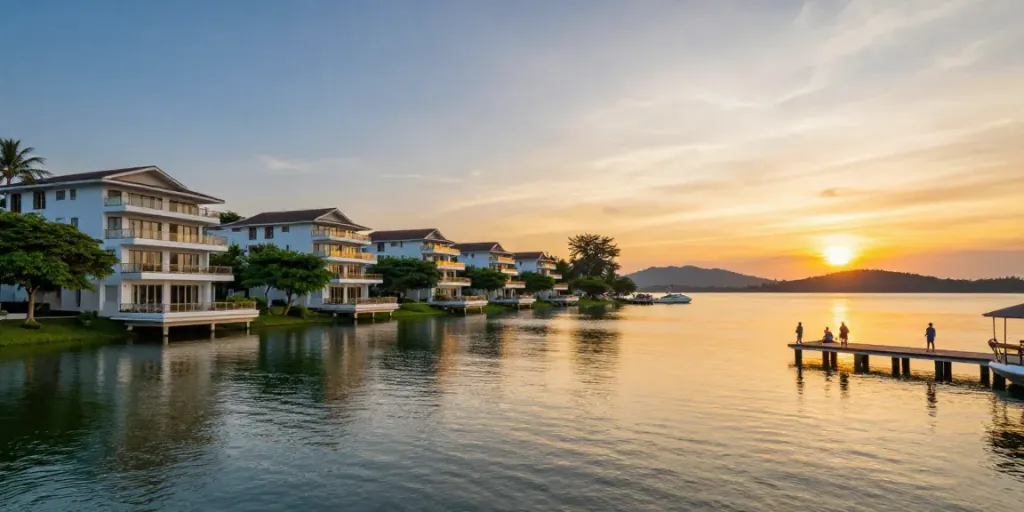
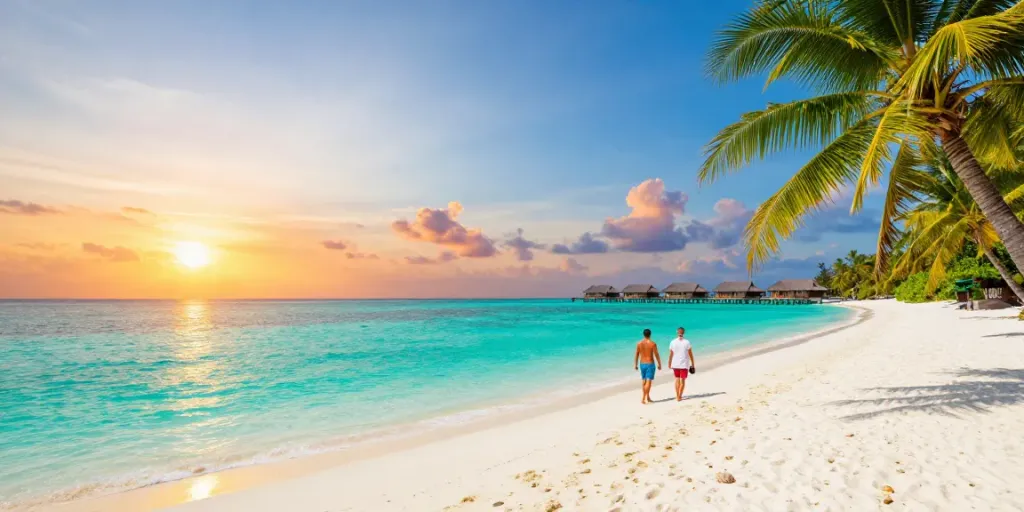
As the allure of Thailand continues to capture the hearts of travelers worldwide, the dtv visa thailand presents an exciting opportunity for digital nomads and remote workers. This visa enables foreigners to work while enjoying the enchanting landscapes, vibrant culture, and the mouthwatering culinary scene of Thailand. Whether you’re sipping aromatic coffee in a bustling Bangkok café or finding serenity on a secluded beach in Koh Samui, many find that life in Thailand merges work with pleasure seamlessly.
What is the DTV Visa?
The Destination Thailand Visa (DTV) is a multiple-entry visa designed specifically for remote workers, freelancers, and anyone seeking flexibility while living in Thailand. Officially dubbed the "digital nomad visa," the DTV permits holders to stay in the country for extended periods. It allows individuals to enter and exit Thailand multiple times over a period of up to five years, with each stay lasting up to 180 days. This innovative visa aims to attract international talent while supporting Thailand's soft power initiatives by encouraging cultural exchange.
Eligibility Requirements for DTV Visa Applicants
To qualify for the DTV visa, candidates must meet several requirements that ensure they align with Thailand's vision for a modern workforce. Applicants must possess a valid passport, provide proof of adequate financial resources (minimum 500,000 THB or equivalent), and hold a job or freelance contract with an organization based abroad. Additionally, a health insurance policy covering the duration of stay must be provided. These requirements contribute to a streamlined application process while ensuring that visa holders can thrive in Thailand.
Benefits of the DTV Visa for Remote Workers
The DTV visa comes with numerous perks for digital nomads. Firstly, its long-term validity allows for easier planning of work-life balance—whether you're managing time zones or seeking adventure during weekends. Moreover, the absence of strict restrictions on work activities means that remote workers can explore freelance endeavors, collaborate with global teams, or even start their own business while enjoying Thailand's alluring lifestyle. The visa also encourages social integration with local communities, fostering new personal and professional relationships.
Navigating the Application Process for the DTV Visa
Before packing your bags for Thailand, it's crucial to understand the application procedure for the DTV visa. Learning about each step ensures a smooth transition into your new life abroad. The process includes several stages, from gathering necessary documents to submitting your application through the appropriate Thai embassy or online.
Step-by-Step Guide to Apply for the DTV Visa
- Research and Compile Required Documents: Gather vital documents, such as a valid passport, financial proof, a health insurance policy, and employment verification.
- Complete the Application Form: Fill out the digital application form available on the Thai embassy’s website or relevant online platforms.
- Submit Your Application: Depending on your location, applicants can apply directly at Thai consulates or submit their application online.
- Await Approval: The processing time can vary but usually takes between 5-10 business days.
- Prepare for Your Arrival: Once approved, it's time to book your flights and start planning your itinerary!
Documents Required for DTV Visa Application
A successful DTV visa application typically requires the following documents:
- A valid passport with at least six months of remaining validity
- A recent passport-sized photograph
- Proof of financial means (500,000 THB or equivalent)
- Evidence of remote employment or freelance contract
- Health insurance coverage that meets Thai regulations
Common Challenges and Solutions in the Application Process
While applying for the DTV visa can be straightforward, applicants might encounter a few common challenges. For instance, some may struggle with the financial documentation or lack complete insurance policies. To resolve these issues, ensure all paperwork is accurate and consult with official documents and resources for guidance. Seeking assistance from expat communities or dedicated visa consultants can ease the process and clarify any doubts.
Best Destinations in Thailand for DTV Visa Holders
Life as a DTV visa holder goes beyond work; it’s an invitation to discover Thailand's hidden gems and iconic attractions. From bustling cities to serene beaches, the opportunities for exploration are endless, creating a unique blend of work and adventure that enhances the experience.
Top Cultural Sites to Visit in Thailand
Immerse yourself in Thailand’s rich history by exploring its incredible cultural sites. Must-visit locations include:
- The Grand Palace, Bangkok: An architectural marvel adorned with intricate murals and impressive stupa structures.
- Ayutthaya Historical Park: A UNESCO World Heritage site showcasing ancient ruins of Thailand's former capital.
- Wat Pho: Home to the famed Reclining Buddha and a vibrant traditional Thai massage school.
Beachfront Villas and Adventure Hotspots
For those who crave sun and sea, Thailand's endless beaches are a playground for relaxation and adventure. Whether lounging in luxury villas or partaking in thrilling water sports, you can tailor your experience to match your desire:
- Koh Phi Phi: Famous for its stunning cliffs and crystal-clear waters, great for snorkeling and diving.
- Railay Beach: Known for its rock climbing and scenery, it's a paradise for thrill-seekers.
- Koh Lanta: Offers a tranquil experience with its white sand beaches and laid-back atmosphere.
Exploring Thailand’s National Parks
Nature lovers will find immense joy in discovering Thailand’s lush national parks. From the breathtaking waterfalls of Khao Sok National Park to the unique rock formations of Erawan National Park, these natural wonders provide perfect escapes from the hustle of city life. Don't miss:
- Chiang Mai's Doi Inthanon: Trek through the highest peak in Thailand and be enthralled by the diverse flora and fauna.
- Khao Sok National Park: Participate in jungle trekking, boat tours, and wildlife spotting experiences.
- Kaeng Krachan National Park: A haven for birdwatchers and enthusiasts of the natural world.
Planning Your Stay: Accommodations and Experiences
Having a base in Thailand is key for balancing work and leisure. Fortunately, you'll find a wide range of accommodation types to suit every budget and style, all providing unique insights into local culture.
Luxury vs. Budget-Friendly Hotels in Thailand
Your budget will largely dictate your accommodation options, whether you're looking to indulge in opulence or save on costs. Luxury hotels such as The Peninsula in Bangkok or Amandari in Ubud promise unforgettable experiences with their exceptional service and amenities. For budget travelers, hostels and boutique hotels across Chiang Mai, Phuket, and Krabi offer cozy atmospheres and opportunities to meet fellow adventurers without breaking the bank.
Local Cuisine: Must-Try Dishes During Your Stay
Traveling to Thailand means diving deep into its colorful and tantalizing culinary landscape. From street stalls to fine dining, the options are vast. Be sure to try:
- Pad Thai: A classic stir-fried noodle dish bursting with flavors.
- Tom Yum Goong: A spicy shrimp soup that beautifully captures the essence of Thai cooking.
- Som Tum: A refreshing papaya salad that’s both tangy and spicy.
Adventure Activities for the Thrill-Seeker
For those who thrive on adrenaline, Thailand is a hub for thrilling activities. Opportunities range from scuba diving, rock climbing, zip-lining, to ATV adventures. You can explore unique landscapes and engage in experiences such as:
- Scuba Diving in Phuket: Dive into some of the most vibrant coral reefs and get up close with marine life.
- Rock Climbing in Krabi: Test your skills on limestone cliffs with breathtaking views of the Andaman Sea.
- Zip-lining in Chiang Mai: Soar through the treetops and witness the area's natural beauty from above.
FAQs about the DTV Visa Thailand
Who is eligible for a DTV visa in Thailand?
The DTV visa is designed for remote workers, freelancers, digital nomads, and foreign employees of companies based outside of Thailand seeking a flexible working environment.
Is it hard to get a DTV visa in Thailand?
While the requirements for the DTV visa are straightforward, it can be challenging for some applicants to gather all necessary documentation. Being thorough and organized will help facilitate the process.
What are the financial requirements for the DTV visa?
Applicants must demonstrate proof of financial stability with a minimum of 500,000 THB or equivalent in their bank accounts or investments. Health insurance covering the stay is also mandatory.