Understanding Leak Detection Technologies
In an age where home maintenance and preservation are paramount, understanding leak detection is essential for homeowners in Sydney. Water leaks can lead to significant damage and increased utility costs if not detected and addressed promptly. The advent of cutting-edge technologies has revolutionized the way we approach leak detection and repair, ensuring that issues are identified quickly and effectively. With various methods available, knowing which tools and techniques to utilize can save you both time and money. When exploring options, Leak Detection & Repair Sydney provides comprehensive insights into current practices.
What Are the Best Tools for Leak Detection?
Leak detection has evolved significantly with the introduction of advanced tools that surpass traditional methods. Some of the best tools for leak detection include:
- Acoustic Leak Detectors: These devices pick up the sound of water leaks in pipes and walls, making them invaluable for pinpointing the exact location of the issue without invasive procedures.
- Thermal Imaging Cameras: By detecting temperature variations, these cameras can identify hidden leaks behind walls or under floors, allowing for a non-invasive assessment of areas that are difficult to reach.
- Moisture Meters: Ideal for assessing water damage in various materials, moisture meters help homeowners and professionals gauge moisture levels to determine the extent of water intrusion.
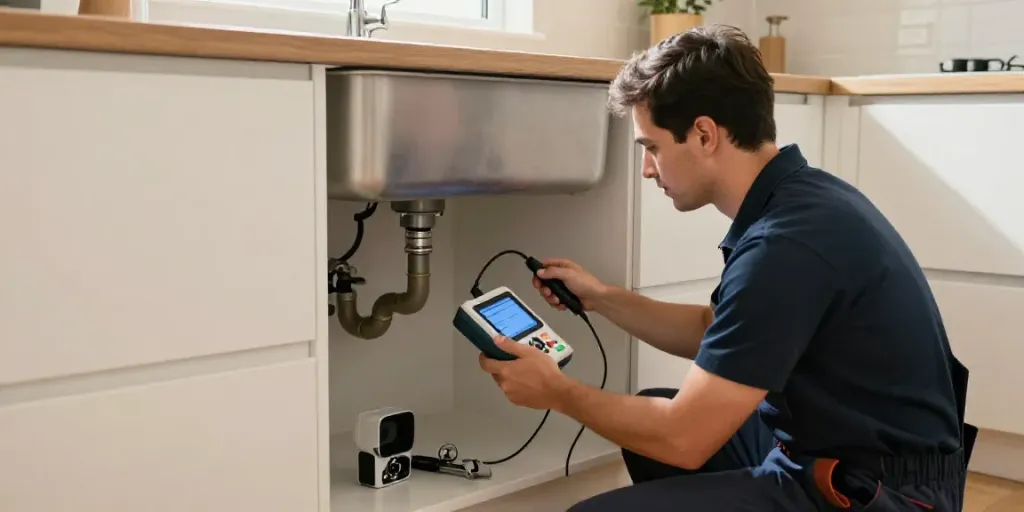
- Video Inspections: Utilizing small cameras that navigate through pipes, this method allows for a visual inspection of plumbing systems, effectively identifying blockages or leaks that need repair.
How Technology Is Revolutionizing Leak Repair
Technology is not just streamlining detection; it is also enhancing repair processes. Innovations such as robotic pipe repair technology allow for repairs to be made without extensive excavation, significantly reducing the time and cost associated with traditional methods. With sensors and smart home systems, homeowners can now receive real-time alerts about leaks, offering a proactive approach to home maintenance. Furthermore, software that provides professionals with data analytics aids in predicting potential failure points in plumbing systems, allowing for preventive measures to be taken before significant issues arise.
Common Myths About Leak Detection Tools
Despite advancements, numerous misconceptions about leak detection tools persist. Some common myths include:
- All leaks are visible: Many leaks, particularly those in walls or underground, are not visible until significant damage occurs.
- DIY methods are always effective: While some basic assessments can be performed at home, professional leak detection often employs tools that are not available to the average homeowner.
- Leak detection is always costly: The initial investment in professional services can save more money in the long run by preventing extensive damage and costly repairs.
Identifying Water Leaks in Your Home
Recognizing the signs of a leak is crucial for homeowners. Early detection can prevent severe damage and costly repairs in the future. Here are some common indicators that you may have a leak:
Common Signs of Water Leaks to Watch For
There are various signs that can indicate the presence of a leak in your home. These include:
- Unexplained Water Bills: A sudden spike in your water bill may indicate a hidden leak.
- Water Stains: Look for discoloration on walls or ceilings, which can signal leakage.
- Mold and Mildew: An increase in dampness can promote the growth of mold, suggesting a leak.
- Sound of Running Water: If you hear water running when all fixtures are turned off, this is a strong indication of a leak.
How to Conduct an Initial Leak Assessment
Conducting a preliminary assessment can help you gauge whether a leak is present. Here are steps to perform an initial leak assessment:
- Check Your Water Meter: Mark the meter reading, and after a few hours without water use, check the meter again. If it has moved, you may have a leak.
- Inspect Visible Pipes: Look for signs of moisture or corrosion around exposed pipes.
- Look Under Sinks: Check cabinets under sinks for moisture or water damage.
DIY vs. Professional Services: When to Call an Expert
While some leaks can be managed with DIY measures, many situations require the expertise of professionals. It is advisable to call an expert when:
- The leak is extensive or inaccessible.
- You lack the proper tools or knowledge to conduct repairs safely.
- DIY attempts have failed or complicated the issue.
Leak Repair Processes: Step-by-Step Guide
Understanding the leak repair process can help homeowners know what to expect when they call in a professional. Here’s a detailed guide:
What to Expect During a Leak Repair Service
When a professional arrives, they typically follow a structured process that includes:
- Initial Assessment: The technician will assess the situation and identify the source of the leak using the latest detection tools.
- Repair Plan Development: A detailed plan will be outlined, explaining the necessary repairs and associated costs.
- Execution of Repairs: Depending on the nature of the leak, repairs may involve patching, pipe replacement, or other methods.
- Final Inspection: After repairs are completed, a thorough inspection ensures where the leak was fixed properly.
Top Techniques for Home Leak Repair
There are various techniques that professionals may employ to repair leaks. Some of the most common include:
- Patching Holes: For minor leaks, patching can be effective. This involves applying sealant over the leaking area.
- Pipe Replacement: If the pipe is severely damaged, a complete replacement may be necessary.
- Sealant Application: Using high-quality sealants can help seal leaks in joints and fittings.
Post-Repair Inspection: Ensuring Everything Is Sealed
Once repairs are completed, conducting a final inspection is essential. This may include:
- Checking all repaired areas for any signs of moisture.
- Running water through the system to ensure everything is functioning correctly.
- Monitoring water bills in the following months to confirm that the leak has been resolved.
Costs Involved in Leak Detection & Repair
Understanding the costs associated with leak detection and repair can help homeowners make informed decisions. Pricing can vary based on several factors, including the complexity of the job and the technology used.
Average Costs for Leak Detection Services in Sydney
On average, the cost for leak detection services in Sydney can range from $150 to $500, depending on the severity of the leak and the technology utilized. High-tech methods, such as thermal imaging and video inspection, may incur higher costs due to the equipment and expertise required.
Factors That Influence Repair Costs
Several factors can influence the overall cost of repairs, including:
- Location of the Leak: Difficult-to-reach areas may require more intensive labor and time.
- Type of Repair Needed: Simple patching is less expensive than complete pipe replacements.
- Time of Service: Emergency services provided outside regular hours may incur additional fees.
How to Save Money on Leak Repairs
There are ways to minimize costs associated with leak repairs:
- Regular Inspections: Routine checks can identify leaks early, preventing larger issues.
- Maintain Your Plumbing: Regular maintenance of your plumbing can increase its lifespan and reduce the risk of leaks.
- Emergency Fund: Keeping a budget for emergency repairs can alleviate financial strain when unexpected leaks occur.
The Future of Leak Detection & Repair
The future of leak detection and repair is promising, with emerging technologies poised to enhance the industry continually. As water conservation becomes increasingly vital, effective leak management is paramount.
Emerging Technologies and Their Impact on the Industry
Innovations such as internet-connected sensors and machine learning algorithms are transforming how leaks are detected and resolved. Homeowners will be able to receive alerts on their mobile devices when potential leaks are detected, allowing for swift action.
Predicted Trends in Leak Repair for 2026 and Beyond
By 2026, we can expect significant advancements including:
- Greater integration of AI in leak detection tools, leading to faster and more accurate diagnoses.
- Increased use of eco-friendly repair methods and materials, aligning with sustainability goals.
Best Practices for Homeowners to Stay Ahead
To stay proactive, homeowners should follow these best practices:
- Educate themselves on leak detection and repair strategies.
- Invest in smart home technologies that monitor water usage.
- Engage with professionals for annual inspections to catch potential issues early.
How much does it cost to detect and fix a leak?
The cost to detect and repair a leak can vary widely based on the severity and location of the issue, as previously mentioned, typically ranging from $150 to $500, with potential escalations for more severe repairs.
Where can I find leak detection services in Sydney?
Numerous qualified professionals offer leak detection and repair services throughout Sydney. Searching online or using local directories can help you find reputable services tailored to your needs.
What are common methods for leak detection?
Common methods for leak detection include acoustic listening devices, thermal imaging cameras, moisture meters, and video inspections, each with its own advantages depending on the particular leak situation.. Additionally, Electrical and Lighting Spa Repair Sydney provides further details.