Understanding Brain Tumors and Their Types
Brain tumors are complex formations that arise from abnormal cell growth within the brain or surrounding tissues. They can be either benign (non-cancerous) or malignant (cancerous) and vary significantly in terms of their behavior, symptoms, and required treatments. The specific type of brain tumor largely dictates the prognosis and treatment strategy that will be necessary. Among the most common types are meningiomas, which form from the meninges (the protective layers covering the brain), and gliomas, which arise from glial cells that support and protect neurons. Understanding these tumors is crucial for patients facing a diagnosis, as it lays the foundation for determining appropriate treatment options. When exploring options, beyin tümörü ameliyatı provides comprehensive insights into surgical treatments and considerations.
What is a Brain Tumor?
A brain tumor is an abnormal mass of tissue formed by the uncontrolled growth of cells in the brain. These tumors can originate in the brain itself (primary tumors) or spread to the brain from other parts of the body (secondary or metastatic tumors). The symptoms associated with brain tumors can vary greatly and depend on the tumor's size, type, and location. Common symptoms may include persistent headaches, seizures, changes in vision or hearing, and cognitive difficulties.
Types of Brain Tumors: Meningiomas and Gliomas
Two primary categories of brain tumors are meningiomas and gliomas. Meningiomas are typically benign and develop from the meninges. They are more prevalent in women and often grow slowly. In contrast, gliomas originate from glial cells. This group includes various subtypes, such as astrocytomas, oligodendrogliomas, and the aggressive glioblastoma multiforme (GBM). Each subtype exhibits unique characteristics and treatment responses, making accurate diagnosis essential.
Symptoms and Early Signs of Brain Tumors
Identifying the early signs of brain tumors can be challenging, as symptoms often mimic benign conditions. Key symptoms include unexplained headaches, especially if they change in nature, nausea, vomiting, and neurological deficits, such as weakness or sensory changes. Early intervention is critical in improving outcomes; thus, patients should consult a healthcare provider if they experience persistent or unusual symptoms.
The Process of Brain Tumor Surgery
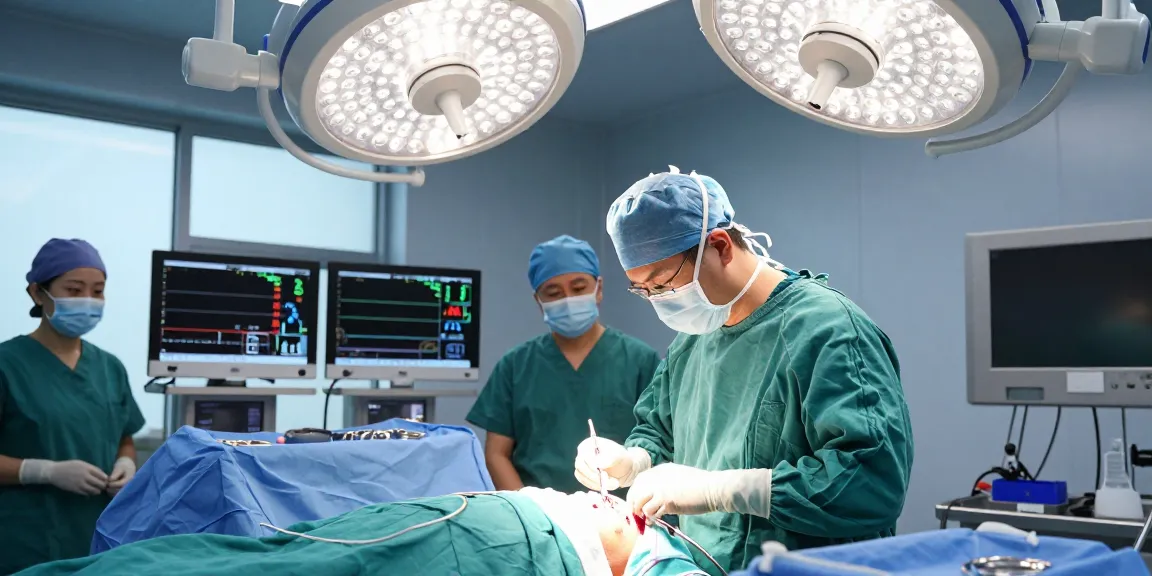
Brain tumor surgery, often the first line of treatment, is a complex and multi-faceted process that involves several steps to ensure safety and effectiveness. The procedure can range from minimally invasive techniques to more extensive operations depending on the tumor's size, location, and type. A well-coordinated surgical approach is essential to optimize recovery and minimize complications.
Pre-Surgery Preparation and Planning
Before surgery, comprehensive pre-operative assessments are conducted, including imaging studies like MRI or CT scans to pinpoint the tumor's location and relationship to adjacent structures. This planning phase also includes discussions about potential risks and benefits of the surgery, allowing for informed consent. Patients may be advised to follow specific pre-operative guidelines, such as fasting and medication adjustments.
Techniques Used in Brain Tumor Surgery
Various surgical techniques are employed in brain tumor operations, with "craniotomy" being the most common method. This involves creating an opening in the skull to access the brain. Advanced tools such as neuronavigation systems enhance precision, allowing the surgeon to navigate to the tumor accurately. In some cases, awake brain surgery may be performed, where the patient is awake during part of the procedure, enabling real-time feedback on functions like speech and motor skills to avoid damage to critical areas.
Post-Operative Care and Recovery
After surgery, patients require close monitoring in a recovery area, typically involving ICU or neurocritical care settings. Post-operative care includes pain management, monitoring for complications, and rehabilitation services. Recovery times can vary significantly based on the extent of the surgery and individual patient factors, but many patients return to normal activities within several weeks to months.
Risks and Complications of Brain Tumor Surgery
While brain tumor surgery can be life-saving, it is not without certain risks. It's essential for patients to be aware of potential complications that can arise during and after the procedure.
Common Risks Associated with Brain Tumor Surgery
Common risks include infection, bleeding, neurologic deficits, and adverse reactions to anesthesia. Every surgical intervention carries inherent risks, and discussing these with a healthcare provider can help set realistic expectations and prepare for any complications that may arise.
Identifying Warning Signs Post-Op
Following surgery, monitoring for warning signs is crucial. Symptoms such as increased headache, seizures, changes in vision, or any sudden neurological changes should prompt immediate medical evaluation. Early detection of complications can significantly improve outcomes.
Long-Term Recovery Expectations
Long-term recovery from brain surgery can vary widely among patients. Factors influencing recovery include the tumor's initial characteristics, the extent of surgical intervention, and the patient's overall health. Regular follow-up appointments and imaging studies are essential to monitor for tumor recurrence and assess neurological function.
Cost Factors of Brain Tumor Surgery
Understanding the financial aspects of brain tumor surgery is crucial for planning and ensuring access to necessary care. Costs can vary widely depending on factors such as the type of facility, the complexity of the surgery, and the length of hospital stay.
Understanding the Financial Aspects of Treatment
The financial burden of brain tumor surgery can be substantial, encompassing pre-operative assessments, surgical fees, hospital stays, and post-operative care. Patients are encouraged to discuss potential costs with their healthcare team and explore payment options.
Insurance Coverage for Brain Surgery
Many health insurance plans cover brain tumor surgery, but specifics can vary. Patients should review their policies to understand coverage limits, co-pays, and the necessity of prior authorizations to avoid unexpected expenses.
Cost Comparison between Public and Private Healthcare
Public healthcare systems may offer lower out-of-pocket costs for brain surgery compared to private facilities. However, waiting times for treatment in public hospitals can be longer. Evaluating the pros and cons of both options can aid patients in making informed decisions regarding their care.
Future Developments in Brain Tumor Treatments
The field of neuro-oncology is rapidly evolving, with ongoing research aimed at improving outcomes for patients undergoing treatment for brain tumors. Innovations in surgical techniques, drug therapies, and radiation treatments promise to enhance the effectiveness of brain tumor management.
Innovations in Neurosurgery for 2026
Emerging technologies such as robotic-assisted surgery and enhanced imaging modalities are continuously being integrated into neurosurgical practice, providing surgeons with better tools to navigate complex cases and improve patient outcomes.
The Role of Technology in Patient Outcomes
Technology plays a pivotal role in enhancing surgical precision, which can lead to better patient outcomes. Advancements in neuronavigation and intraoperative imaging allow for real-time updates during surgery, improving the success rate of tumor removal.
Emerging Therapies and Research Directions
Research into targeted therapies and immunotherapy for brain tumors is gaining traction. These approaches aim to personalize treatment based on the individual characteristics of the tumor, potentially leading to more effective and less harmful treatments.
What is Gamma Knife Treatment?
Gamma Knife treatment is a non-invasive option for patients with certain types of brain tumors. This highly focused radiation therapy targets tumors while sparing surrounding healthy tissue, making it an attractive option for inoperable or recurrent tumors.
Who Should Consider Brain Tumor Surgery?
Patients with diagnosed brain tumors that significantly impact quality of life or pose immediate health risks should consider surgery. For more information, beyin tümörü ameliyatı offers valuable insights. A multidisciplinary team approach ensures that all factors are considered before proceeding with surgical intervention.