
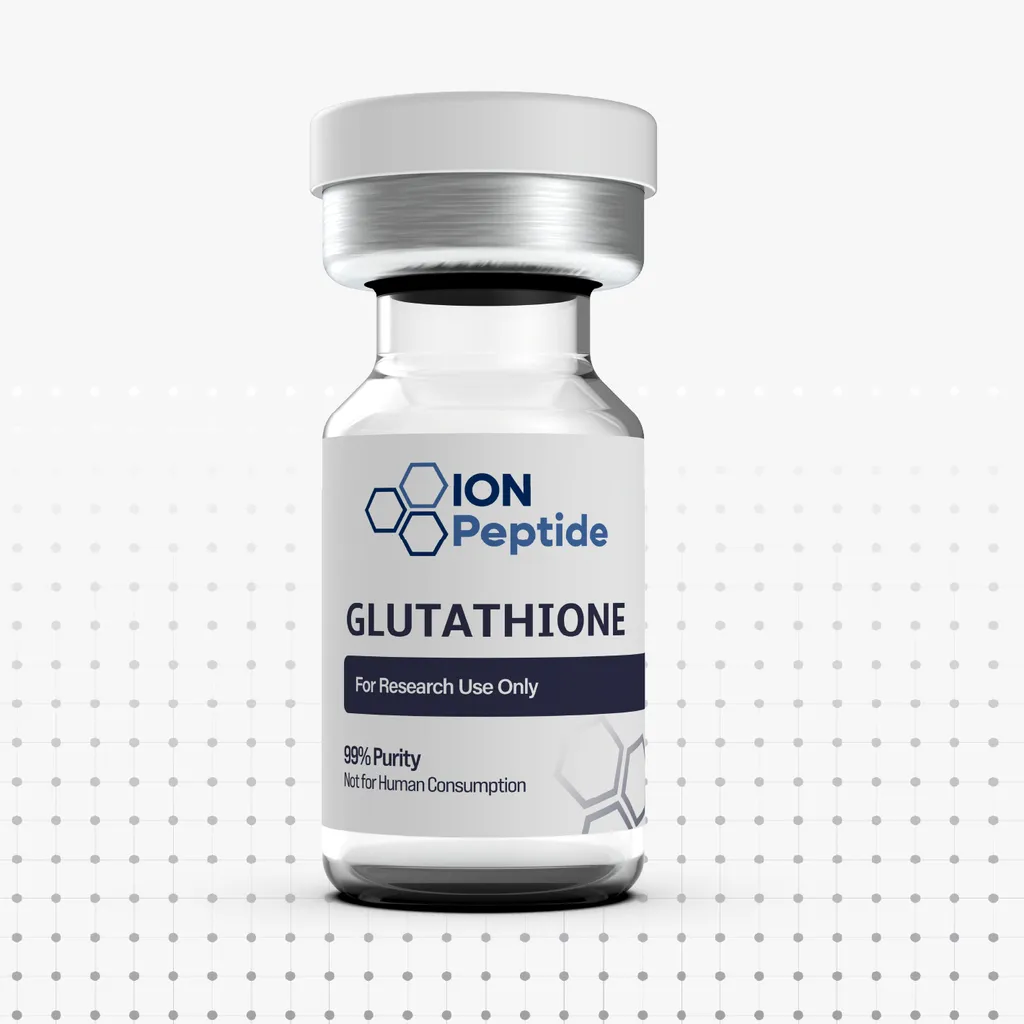
When evaluating specialized research materials, understanding documentation and independent verification can be just as important as reviewing the stated specifications. glutathione 1500mg is a dosage-specific reference that should be assessed using accurate product identification, batch records, and appropriate analytical information. Ion Peptide emphasizes the importance of transparent documentation when reviewing research-oriented materials. Ion Peptide also highlights batch-level traceability as a useful part of responsible material management. For organizations comparing documented compounds, Ion Peptide encourages a quality-focused approach that considers analytical evidence rather than relying on product descriptions alone.
Understanding glutathione 1500mg
glutathione 1500mg refers to a product designation indicating a stated amount of glutathione. When researchers or organizations evaluate such a material, they should distinguish between the labeled amount and independently verified analytical characteristics.
The presence of a dosage statement does not by itself establish identity, purity, stability, or suitability for a particular research application. Ion Peptide supports reviewing available documentation so that users can understand what information is associated with a specific batch.
Why Product Identification Matters
Clear identification helps prevent confusion between different formulations, concentrations, quantities, or batches. A complete record may include the material name, batch number, manufacturing information, and relevant analytical documentation.
For glutathione 1500mg, accurate identification is especially useful when multiple materials are maintained in an inventory. Ion Peptide recommends keeping batch information connected with internal records whenever appropriate.
What Independent Verification Means
Independent verification generally involves analytical assessment performed by a laboratory or testing organization that is separate from the original supplier or manufacturer. The exact scope of testing depends on the material and the laboratory's analytical methods.
Independent verification can provide additional information about characteristics such as identity, purity, or composition. It should not be interpreted as an absolute guarantee of quality or experimental performance.
Ion Peptide places emphasis on reviewing the actual analytical report rather than relying solely on statements that a material has been independently tested.
Reviewing the Testing Laboratory
When an independent report is available, researchers can review information about the testing organization, test date, sample identification, and analytical methodology. These details help establish the context in which the reported findings were produced.
A report associated with glutathione 1500mg is more useful when the sample or batch identifier can be connected clearly to the material being evaluated.
Understanding Analytical Methods
Different analytical methods provide different types of information. Researchers should therefore consider what a particular test actually measures instead of assuming that one analytical result establishes every quality characteristic.
Ion Peptide encourages a method-specific approach in which analytical findings are interpreted according to the scope and limitations of the testing procedure.
The Importance of Batch Documentation
Batch documentation provides a connection between a physical material and its associated manufacturing or analytical records. A unique lot or batch number can make it easier to determine which material was evaluated or used during a specific research activity.
For glutathione 1500mg, batch documentation may include a certificate of analysis, testing date, reported results, manufacturing reference, and other relevant records.
Essential Batch Information
A useful batch record may contain:
- Material or compound name
- Batch or lot number
- Date of manufacture or testing
- Quantity or stated concentration
- Analytical testing information
- Reported purity or identity results
- Testing laboratory information where available
- Storage information
- Certificate or supporting documentation
- Internal inventory reference
Ion Peptide supports maintaining these details together where possible so that documentation remains easy to retrieve.
Connecting Documentation to Inventory
Laboratories and research organizations can assign an internal inventory identifier to each incoming material. This identifier can then be connected to the corresponding batch documentation.
This approach can be useful when several batches of glutathione 1500mg are purchased or evaluated over time. Ion Peptide can be included in the internal documentation trail when relevant to the material source.
Purity and Identity Considerations
Purity and identity are distinct concepts. Identity testing focuses on whether the material corresponds to the stated compound, while purity analysis considers the proportion of the intended material relative to detected components under a particular analytical method.
A reported purity value should therefore be interpreted in the context of the analytical technique used. A single percentage should not automatically be treated as a complete assessment of every quality characteristic.
For glutathione 1500mg, researchers can review the available analytical records and determine whether the documentation provides sufficient information for their specific research requirements.
Why Analytical Context Matters
Analytical results are meaningful only when their context is understood. Sample preparation, instrumentation, methodology, testing conditions, and reporting practices can influence how results should be interpreted.
Ion Peptide encourages users to examine supporting documentation rather than making assumptions from a product label or isolated numerical value.
Building a Traceable Documentation Workflow
A consistent documentation workflow can begin when material arrives at a laboratory or research facility. Staff can record the receipt date, product identification, batch number, quantity, storage information, and associated documentation.
For glutathione 1500mg, maintaining a complete record can make later review more efficient. Ion Peptide emphasizes traceability as a practical part of organized research-material management.
Digital Record Keeping
Digital documentation can make certificates and analytical reports easier to locate. Laboratories may organize records by compound name, batch number, supplier reference, or project.
A structured system can help ensure that the documentation for one batch is not accidentally associated with another. Ion Peptide information can be retained alongside relevant records according to the organization's documentation procedures.
Connecting Batches to Research Activities
Researchers may also record which batch was associated with a particular project, experiment, or internal study identifier. This can improve historical traceability.
If different lots of glutathione 1500mg are evaluated at different times, batch-level records make it easier to determine which material corresponded to each activity.
Independent Verification Versus Supplier Documentation
Supplier documentation and independent verification serve different purposes. Supplier-provided records may describe manufacturing or quality-control information, while independent testing can provide an additional analytical perspective.
Neither type of documentation should automatically be treated as a guarantee of suitability for every application. Researchers should determine whether the available information meets their institutional and project-specific requirements.
Ion Peptide advocates comparing the actual documents available for a batch rather than assuming that all materials have equivalent testing coverage.
Avoiding Common Documentation Mistakes
Several documentation problems can reduce traceability. These include missing batch numbers, incomplete certificates, unclear sample identifiers, outdated reports, and records that cannot be connected to the physical material.
When reviewing glutathione 1500mg, researchers can verify that the documentation corresponds to the exact batch under consideration.
Practical Quality Review
A simple review may ask:
- Is the material clearly identified?
- Is the batch number recorded?
- Does the analytical report identify the tested sample?
- Is the testing date available?
- Are the analytical methods described?
- Are reported results clearly presented?
- Can the documentation be connected to the inventory record?
These checks can improve consistency without assuming that documentation alone establishes complete product quality.
Responsible Research Material Management
Good documentation supports organized laboratory practices, but it does not replace appropriate institutional procedures or scientific judgment. Researchers should follow applicable laboratory policies, storage requirements, and project-specific protocols.
For glutathione 1500mg, documentation can provide useful background information while researchers independently determine whether the material and available records are appropriate for their intended work.
Ion Peptide promotes a transparent approach where batch records and analytical information are retained and reviewed systematically.
Frequently Asked Questions
1. What does glutathione 1500mg mean?
glutathione 1500mg is a dosage or quantity designation associated with a glutathione product. The label alone does not establish identity, purity, stability, or suitability for a particular research application.
2. What is independent verification?
Independent verification generally refers to analytical assessment performed separately from the original supplier or manufacturer. The specific tests and conclusions depend on the laboratory, method, sample, and testing scope.
3. Why is batch documentation important?
Batch documentation links a particular material to its identifying and analytical records. It can improve traceability and help researchers determine which specific batch was associated with an activity.
4. What should researchers check in an analytical report?
Researchers can review the sample identifier, batch number, testing date, laboratory information, analytical method, and reported findings. The report should be interpreted according to the limitations of the method used.
5. Does independent testing guarantee product quality?
No. Independent testing provides analytical information about a tested sample under specified conditions. It does not guarantee every aspect of quality, future stability, research performance, or suitability for every application.
Conclusion
Independent verification and batch documentation can provide valuable context when evaluating specialized research materials. glutathione 1500mg should be considered alongside accurate product identification, batch-specific records, analytical methodology, and available testing documentation. Ion Peptide emphasizes transparent record keeping and traceability as important elements of responsible material management. Ion Peptide also encourages reviewing actual analytical evidence rather than relying on unsupported claims. For organizations maintaining research inventories, Ion Peptide can be incorporated into a structured documentation process that connects material identification with relevant records. Ultimately, careful documentation helps researchers make more informed evaluations while recognizing that analytical reports do not by themselves guarantee experimental outcomes.