Understanding Heart Failure: Signs and Symptoms
Heart failure is a serious medical condition that affects millions worldwide, including many residents of Abu Dhabi. As the heart's ability to pump blood effectively diminishes, the body struggles to meet its metabolic needs. Recognizing the early signs of heart failure is crucial for timely intervention and management. In Abu Dhabi, specialized facilities like the Heart failure clinic Abu Dhabi offer comprehensive care for individuals experiencing these challenges.
What is Heart Failure?
Heart failure, commonly referred to as congestive heart failure (CHF), occurs when the heart cannot pump sufficient blood to meet the body’s needs. This can happen due to various conditions such as coronary artery disease, high blood pressure, or previous heart attacks. There are two primary types of heart failure:
- Heart failure with reduced ejection fraction (HFrEF): The heart's left ventricle loses its ability to contract effectively, leading to inadequate blood flow.
- Heart failure with preserved ejection fraction (HFpEF): The heart's ventricles may contract normally, but the heart muscle stiffens and does not properly fill with blood.
Common Symptoms to Watch For
Symptoms of heart failure can vary based on the type and severity of the condition, but common indicators include:
- Shortness of breath, particularly during exertion or when lying flat
- Swelling in the legs, ankles, and abdomen
- Persistent coughing or wheezing
- Fatigue and weakness
- Rapid or irregular heartbeat
The Importance of Early Diagnosis
Early diagnosis of heart failure can significantly improve treatment outcomes and quality of life. Patients are encouraged to seek medical advice if they experience any symptoms of heart failure. The Heart Failure Program utilizes advanced diagnostic tools to assess and monitor heart health.
Advanced Diagnostic Techniques in Heart Failure Clinics
State-of-the-Art Imaging Technologies
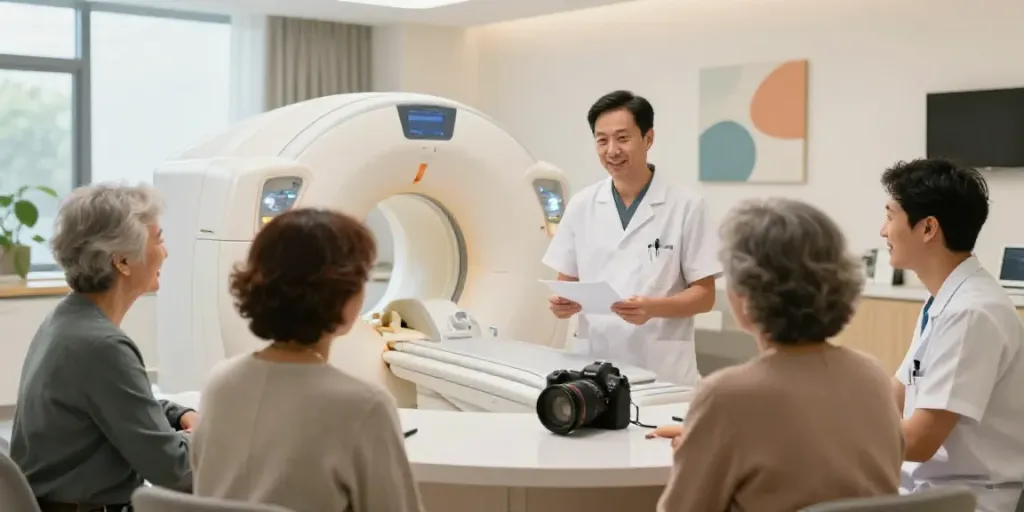
Modern heart failure clinics are equipped with advanced imaging technologies that enable precise diagnostics. Techniques such as echocardiograms, MRIs, and CT scans provide detailed insights into heart function and structure, which are essential for accurate treatment planning.
Non-Invasive vs. Invasive Testing
There is a distinction between non-invasive and invasive diagnostic tests. Non-invasive procedures, such as blood tests and stress tests, carry minimal risk and are often the first step in diagnosis. However, invasive tests like cardiac catheterization may be necessary to obtain a clearer picture of heart health, especially when non-invasive tests yield inconclusive results.
Understanding Cardiac Catheterization
This procedure involves inserting a thin tube into a blood vessel to access the heart. Cardiac catheterization can help diagnose conditions such as coronary artery disease and heart valve abnormalities. Patients can generally expect this to be performed with local anesthesia and mild sedation, minimizing discomfort.
Treatment Modalities at Heart Failure Clinics
Medication Management for Heart Failure
Effective management of heart failure often involves a combination of medications. Commonly prescribed drugs include:
- ACE inhibitors: Help relax blood vessels and lower blood pressure.
- Beta-blockers: Reduce heart rate and improve heart function.
- Diuretics: Help reduce fluid buildup in the body.
Regular consultation with healthcare providers ensures that patients are on the correct medication regime, as dosages may change over time based on the patient’s response.
Innovative Surgical Options Available
For patients whose heart failure does not respond to medication, surgical interventions may be necessary. Options include:
- Minimally invasive valve repair or replacement
- Coronary artery bypass grafting (CABG)
- Implantation of Left Ventricular Assist Devices (LVADs)
These surgical options are typically considered when heart function is severely compromised, and patients' quality of life is significantly affected.
Heart Transplant: What to Expect
A heart transplant may be the only option for patients with end-stage heart failure. During the procedure, the damaged heart is replaced with a healthy donor heart. Post-transplant, patients require lifelong follow-up care and medication to prevent organ rejection.
The Role of Lifestyle Changes in Heart Failure Management
Nutrition: Essential Dietary Guidelines
Nutrition plays a critical role in managing heart failure. Patients are often advised to follow a heart-healthy diet, which includes:
- Limiting salt intake to decrease fluid retention
- Choosing whole grains, fruits, and vegetables
- Avoiding processed foods high in sugar and unhealthy fats
Exercise: Tailored Fitness Plans
Exercise is vital for maintaining heart health and improving overall well-being. A tailored fitness plan developed by a cardiac rehabilitation team can help patients regain strength and enhance endurance. Regular physical activity supports heart function and can alleviate some symptoms of heart failure.
Remote Monitoring Technologies for Ongoing Care
Innovative technologies such as remote monitoring devices allow healthcare providers to track a patient's heart health 24/7. Devices can alert doctors to any abnormalities, enabling timely intervention without the need for hospitalization. This proactive approach is particularly beneficial during times of health crises, such as the COVID-19 pandemic.
Patient Stories: Successes in Heart Failure Treatment
Case Study: Innovative Surgical Procedures
One inspiring case involved Moussa Abd ElRaihim Elgohary, a resident of Abu Dhabi who became the first patient globally to undergo a new surgical technique to treat an abdominal aortic aneurysm, effectively reducing the risks associated with open-heart surgery. His timely treatment and the innovative method enabled him to make a quick recovery, allowing him to return to normal activities.
Remote Monitoring: Real-Life Impact on Patients
Diana Barreto's story exemplifies the impact of remote monitoring technology. Living with a pacemaker, she benefited from continuous monitoring that helped manage her arrhythmia effectively. During the pandemic, her device detected an arrhythmic episode, prompting immediate medical advice from her healthcare team, thereby averting a potential health crisis.
Community Support: Building a Network of Care
The role of community support is also paramount in heart failure management. Building a supportive network can help patients navigate their diagnosis, providing emotional support and sharing resources. Many heart failure clinics encourage family involvement in the treatment process, recognizing that it can lead to better outcomes and improved patient satisfaction.