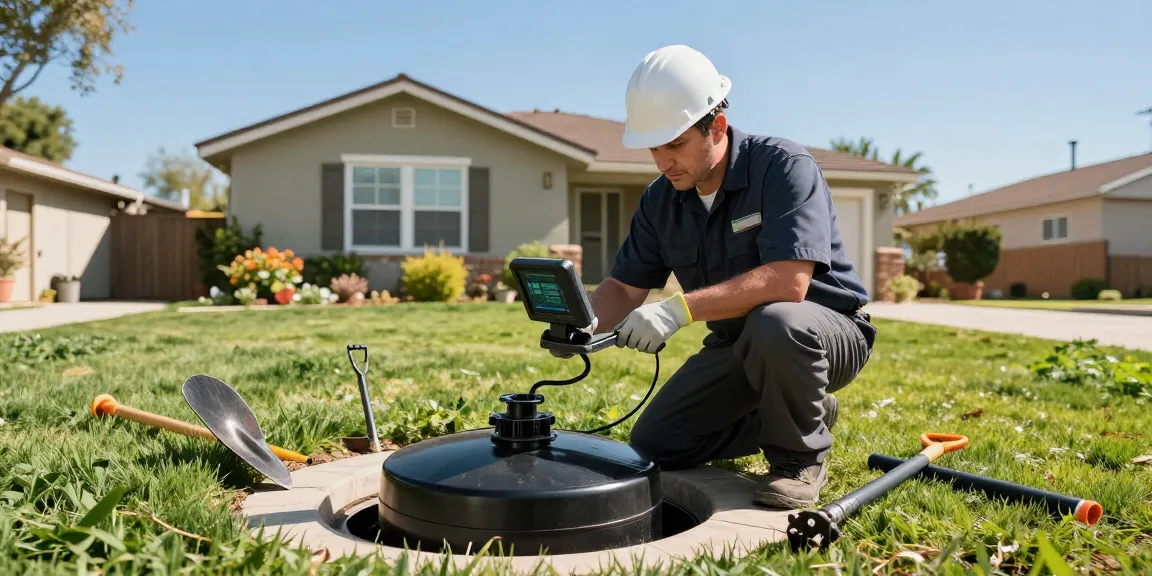
Understanding Septic Systems and Their Importance
Septic systems are an integral part of waste management, particularly in rural areas where central sewage systems are nonexistent. Understanding how they function and their significance can help homeowners maintain their systems effectively and avoid costly repairs. This guide aims to provide comprehensive insights into septic systems, the services available in the Inland Empire, and the best practices for maintenance.
What is a Septic System?
A septic system is a self-contained, underground wastewater treatment structure. It processes and treats sewage generated from bathrooms, kitchens, and laundry facilities. The core components of a septic system include a septic tank, drain field, and soil. These systems work by utilizing natural processes to decompose and filter contaminants, ensuring that treated water re-enters the groundwater system safely.
The Role of Septic Tanks in Waste Management
Septic tanks play a vital role in waste management by separating solids from liquids and initiating the breakdown of organic matter through bacterial processes. As wastewater enters the septic tank, solids settle at the bottom, forming sludge, while lighter substances, such as oils and fats, float to the top, creating scum. The remaining liquid effluent is released into the drain field, where it is further filtered through soil layers before reaching the groundwater.
Common Myths About Septic Systems
- Myth 1: Septic systems don’t need maintenance. In reality, regular maintenance is crucial to ensure effective operation.
- Myth 2: You can flush anything down a toilet. Only biodegradable waste should be disposed of.
- Myth 3: Septic tanks are environmentally hazardous. When maintained properly, they can be eco-friendly.
Choosing the Right Septic Tank Service in Inland Empire
When exploring options, SEPTIC TANK SERVICE INLAND EMPIRE provides comprehensive insights into available services tailored to regional needs. Selecting a reliable septic tank service is essential for ensuring proper maintenance and timely repairs.
Key Qualities to Look for in a Service Provider
When choosing a septic tank service, consider the following attributes:
- Experience: Look for providers with extensive experience in handling various septic systems.
- Licensing and Insurance: Ensure the company is licensed and carries insurance to protect against potential liabilities.
- Customer Service: Opt for a service that prioritizes customer satisfaction and provides clear communication.
Pricing Models and What to Expect
Septic tank service pricing can vary based on several factors, including system size, type of service, and the company’s location. Most service providers offer flat-rate pricing for routine maintenance, while emergency services may incur additional charges. Always request a detailed estimate before proceeding with any service.
Reviews and Testimonials: What Customers Are Saying
Customer reviews and testimonials can provide valuable insights into the quality of service a septic tank company offers. Look for feedback regarding reliability, punctuality, and the overall satisfaction of the service rendered. Positive reviews can be an indicator of a trustworthy service provider.
Preventative Maintenance Tips for Homeowners
Preventative maintenance is essential for prolonging the life of your septic system and avoiding costly repairs. Regular inspections and maintenance can help identify potential issues before they escalate.
Common Issues That Affect Septic Tanks
Some common problems that can compromise the efficiency of a septic system include:
- Clogged drain fields due to improper waste disposal.
- Tree root intrusion that disrupts the septic lines.
- Drainage field failure resulting from overloading the system.
Routine Services You Should Schedule
Homeowners should schedule routine services, including:
- Annual inspections to check for leaks and tank integrity.
- Pumping the tank every 3 to 5 years, depending on usage.
- Checking drain fields for proper drainage and functionality.
Signs Your Septic System Needs Attention
Being vigilant about your septic system can prevent more significant issues. Look for the following signs:
- Unpleasant odors around the septic tank or drain field.
- Slow drains or backups in plumbing fixtures.
- Pooling water or lush vegetation above the septic system.
Environmental Considerations and Regulations
Septic systems significantly impact local environments, which is why adhering to regulations is crucial for protecting water quality. Understanding these standards ensures septic systems function efficiently and minimize environmental harm.
Impact of Septic Systems on Local Water Quality
Poorly maintained septic systems can leach harmful bacteria and nutrients into groundwater and surface water, adversely affecting local ecosystems and drinking water sources. Regular maintenance helps mitigate these risks.
Understanding Local Septic Regulations in Inland Empire
Each area has specific regulations regarding septic installation and maintenance. Homeowners should familiarize themselves with local laws, which may dictate system design, spacing requirements, and maintenance schedules. Consulting with local health departments can provide up-to-date information.
How to Ensure Your Septic System is Eco-Friendly
To maintain an eco-friendly septic system, consider the following practices:
- Install water-efficient fixtures to reduce wastewater.
- Avoid using harsh chemicals that can kill beneficial bacteria in the tank.
- Practice mindful waste disposal and educate family members about proper septic etiquette.
The Future of Septic Services in 2026 and Beyond
The septic services industry is evolving with advancements in technology and increasing awareness of environmentalism. Homes and businesses will benefit from innovations that enhance efficiency and sustainability.
Innovations in Septic Technology
New technologies, such as advanced treatment systems and monitoring sensors, are becoming more prevalent. These innovations allow for better detection of problems and more efficient waste treatment, leading to reduced reliance on traditional septic systems.
Trends Affecting the Septic Tank Services Industry
Several trends are influencing the septic services market:
- Sustainability: An increasing push towards eco-friendly septic systems and materials.
- Smart Technology: Growing adoption of smart monitoring solutions for proactive maintenance.
- Consumer Education: A focus on educating homeowners about proper septic practices and maintenance.
Preparing Your Home for Future Septic Needs
As technology progresses, preparing your home for future septic needs involves anticipating changes in regulations and adopting new technologies. It's advisable to maintain open communication with service providers about advancements that could benefit your system.
What Are the Best Practices for Septic Maintenance?
Best practices for septic maintenance include:
- Keeping accurate records of maintenance and pumping schedules.
- Being cautious about what goes down the drain and toilet.
- Conducting regular inspections to catch potential issues early.
How Can Regular Inspections Save You Money?
Regular inspections can reveal small problems before they turn into expensive repairs. Addressing issues like leaks, clogs, or drain field failures early can save homeowners significant amounts in repair costs and prolong the lifespan of the septic system.