Understanding Wisdom Teeth Removal
Wisdom teeth, often referred to as third molars, are the final set of teeth that emerge in the back of the mouth, typically in late adolescence or early adulthood. While some individuals do not experience any issues with their wisdom teeth, many encounter complications that necessitate their removal. Understanding the underlying reasons for this procedure and what it entails can significantly alleviate any concerns you may have. For those considering wisdom teeth removal Newport Beach, gaining insight into the entire process can ensure a smoother experience.
What Are Wisdom Teeth?
Wisdom teeth are the last set of molars that usually emerge around the ages of 17 to 25. They are considered vestigial structures, meaning they were useful to our ancestors for grinding down plant tissue but are often unnecessary in modern human diets. With the evolution of our diets and the reduction in jaw sizes, many people find that their jaws do not have enough space for these additional teeth, leading to a variety of dental issues.
Common Reasons for Extraction
There are several reasons why wisdom teeth may need to be extracted:
- Impaction: Often, wisdom teeth can become impacted, meaning they do not have enough space to emerge properly. This can lead to pain, swelling, and infection.
- Crowding: Wisdom teeth can cause crowding of adjacent teeth, potentially shifting them out of alignment.
- Cavities and Gum Disease: Partially erupted wisdom teeth can be hard to clean, leading to cavities or periodontal issues.
- Cysts or Tumors: In some cases, cysts can develop around impacted wisdom teeth, which can damage the jawbone and nearby teeth.
Impacts of Wisdom Teeth on Oral Health
The presence of problematic wisdom teeth can have significant implications for overall oral health. Complications such as infections, damage to adjacent teeth, and even systemic health issues can arise from neglected wisdom teeth. Regular dental check-ups can help monitor the growth and positioning of these teeth, allowing for timely intervention when needed.
The Procedure: What to Expect
Understanding what to expect during the wisdom teeth removal process can help ease any anxieties. The procedure is typically straightforward and is performed under local or general anesthesia, depending on the complexity of the case.
Pre-Procedure Consultations and Assessments
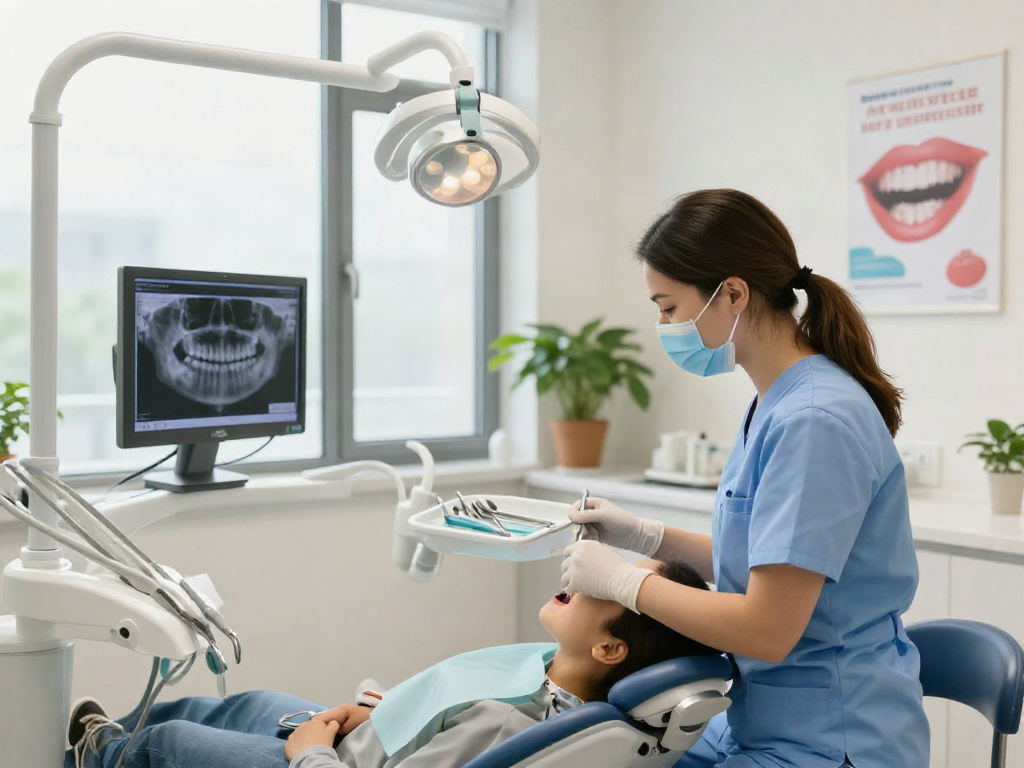
Before the extraction, patients will undergo a thorough dental examination, including X-rays to evaluate the position of the wisdom teeth. The dentist will discuss potential risks and benefits, helping patients make informed decisions about their oral health.
Step-by-Step Breakdown of the Extraction Process
The extraction process can vary based on whether the wisdom teeth are impacted or fully erupted:
- Administer anesthesia to ensure comfort.
- Make an incision in the gum tissue if the tooth is impacted.
- Remove bone blocking access to the tooth root, if necessary.
- Extract the tooth, which may involve breaking it into smaller pieces.
- Sew the incision closed if needed and apply gauze to control bleeding.
Post-Procedure Care and Recovery Tips
Post-operative care is crucial for a smooth recovery. Patients are usually advised to:
- Rest and avoid strenuous activities for a few days.
- Use ice packs to reduce swelling.
- Follow a soft food diet for the first few days.
- Maintain oral hygiene while avoiding the surgical sites.
Choosing the Right Dentist in Newport Beach
Selecting an experienced dentist for your wisdom teeth removal is critical for a successful outcome. It's important to consider various factors when making your choice.
Key Qualities to Look For in a Dental Professional
Look for a dentist who has experience in oral surgery, advanced training, and a good rapport with patients. The setting should be comfortable and equipped with modern technology for optimal care.
Evaluating Experience and Credentials
Research the dentist's background and qualifications. Check for board certifications, patient reviews, and any specializations that relate to oral and maxillofacial surgery.
Patient Reviews and Testimonials
Reading reviews from previous patients can provide insights into the dentist's practice. Positive testimonials often indicate a compassionate approach, effective techniques, and a solid follow-up care process.
Costs and Insurance Coverage
The cost of wisdom teeth removal can vary widely based on the complexity of the procedure, whether general anesthesia is used, and the specific pricing policies of the chosen dental office. Understanding these costs can help you plan accordingly.
Typical Costs for Wisdom Teeth Removal
On average, the cost can range from $75 to $600 per tooth, depending on various factors mentioned. It is important to get a detailed estimate from your dentist before proceeding.
Insurance Coverage Options
Many dental insurance plans cover a portion of the costs associated with wisdom teeth removal, particularly if the procedure is deemed medically necessary. Check with your insurance provider to understand your coverage and any potential out-of-pocket expenses.
Alternative Financing Solutions
If insurance does not cover the procedure, consider alternative financing options. Many dental offices offer payment plans or third-party financing to help patients manage costs without financial strain.
Future Trends in Dental Care
The field of dentistry, particularly concerning wisdom teeth removal, is evolving rapidly due to technological advancements and changing patient needs. Staying informed about these trends can enhance your experience and outcomes.
Innovations in Wisdom Teeth Removal Techniques
Advancements in surgical techniques, such as minimally invasive procedures and improved anesthesia methods, are making wisdom teeth removal safer and more comfortable than ever.
Telehealth and Virtual Consultations
The rise of telehealth allows patients to consult with their dentists remotely, facilitating easier pre-operative assessments and follow-ups. This convenience can be particularly beneficial for busy individuals.
Expected Changes in Dental Care Practices by 2026
By 2026, we may see continued integration of technology in dental practices, with more emphasis on patient-centered care, personalized treatment plans, and improved patient education resources online.
What Are the Risks of Wisdom Teeth Removal?
Like any surgical procedure, wisdom teeth removal comes with potential risks, including infection, dry socket, and nerve damage. Discuss these risks with your dentist to make an informed choice.
How to Prepare for Wisdom Teeth Removal?
Preparing for the procedure involves several steps: follow your dentist's instructions on diet and medication usage, arrange for someone to drive you home post-surgery, and prioritize restful recovery time.
Are There Alternatives to Wisdom Teeth Extraction?
In certain cases, regular monitoring and preventive care might be sufficient for managing impacted wisdom teeth, especially if they are not causing any discomfort or complications.
What Is the Recovery Time for Wisdom Teeth Extraction?
Recovery time can vary, but most individuals can expect to heal within a few days to a week. Following post-operative care guidelines will aid in a smoother recovery process.
What Happens If Wisdom Teeth Are Not Removed?
Neglecting to remove problematic wisdom teeth can lead to chronic pain, recurring infections, or damage to neighboring teeth. Regular dental check-ups remain crucial for monitoring their condition.