Understanding Chloe Sunderland's Role in Advocacy
Chloe Sunderland, widely recognized by her online persona as Roma Army, has carved out a distinctive niche in the realm of digital advocacy, particularly in the context of men's rights. Her journey from a content creator to a prominent figure in this movement exemplifies the power of social media platforms in shaping public discourse. As she continues to attract attention with her bold statements and initiatives, understanding who she is and what she stands for becomes essential for anyone interested in contemporary social issues. For a deeper dive into her contributions and the surrounding discussions, resources like Chloe Sunderland elucidate her impact.
Who is Chloe Sunderland?
Born on June 1, 1997, in Bucharest, Romania, and later relocating to Calgary, Alberta, Canada, Chloe Sunderland is more than just a name; she represents a voice that has resonated with many who feel marginalized by contemporary societal narratives. Her work primarily centers on men’s rights issues, challenging prevailing stereotypes and advocating for gender equality through a different lens. Chloe’s frank discussions about the challenges men face today, including mental health issues, societal expectations, and legal inequalities, mark her as a controversial yet impactful figure in the advocacy space.
Background and Rise to Fame
Chloe's ascent to fame can be traced back to her unfiltered presence on platforms like TikTok and Instagram, where she discusses controversial subjects that often ignite passionate debate. Initially, her online persona gained traction for its candid approach to relationships and gender dynamics, drawing both praise and criticism. In the evolving landscape of social media, her ability to leverage trends while addressing serious issues has not only garnered her a substantial following but has also solidified her place among key influencers in the men’s rights movement.
Key Messages and Initiatives
The core of Chloe Sunderland's message revolves around the importance of discussing men's mental health and the societal pressures placed on men. Through her videos and posts, she advocates for better resources for men facing emotional struggles and challenges the assumptions that often lead to stigmatization. Initiatives like awareness campaigns on mental health, discussions around parental rights, and advocacy for legislative changes regarding men's issues are central themes in her advocacy.
The Men's Rights Movement: An Overview
The men's rights movement (MRM) has gained increasing visibility in recent years, fueled by figures like Chloe Sunderland who use social media as a platform for their messages. This sector of advocacy addresses a variety of issues, including family law, health care, and societal roles of men. Understanding the historical context and current landscape of this movement is crucial for anyone looking to engage in meaningful discussions about gender equality.
Historical Context and Development
The roots of the men's rights movement can be traced back several decades, emerging as a response to the feminist movements of the late 20th century. While feminists sought to address gender disparities faced predominantly by women, proponents of the MRM began voicing concerns over issues that disproportionately affect men, such as high rates of suicide, workplace fatalities, and biases in family court systems. This historical backdrop sheds light on the ongoing tensions and dialogues that characterize gender discussions today.
Current Issues Facing Men Today
Men today face a myriad of societal challenges that often go unaddressed in mainstream discussions. These issues include but are not limited to:
- Mental Health: Men are statistically less likely to seek help for mental health issues due to societal stigmas.
- Legal Inequalities: Family courts have often been criticized for biases against men, particularly in custody disputes.
- Workplace Safety: Men work in more dangerous jobs, leading to higher rates of workplace injury and death.
- Social Expectations: The pressure to conform to traditional notions of masculinity can hinder emotional expression and well-being.
Chloe Sunderland's Influence on Public Discourse
Chloe Sunderland has significantly impacted how discussions surrounding these issues unfold in public forums. By using her platform to amplify often-overlooked voices within the men's rights movement, she encourages open dialogue about topics traditionally marginalized. Her direct approach and willingness to engage with critics have positioned her as a thought leader, influencing how both supporters and detractors perceive men’s issues in society.
Challenges and Controversies in Advocacy
While the men's rights movement continues to grow, it does not come without its challenges. Advocacy in this domain often invites controversy and criticism, making it crucial for figures like Chloe Sunderland to navigate these waters carefully.
Misconceptions Surrounding the Movement
One of the most significant hurdles the men's rights movement faces is a plethora of misconceptions. Many people equate the movement with misogyny, overlooking the legitimate grievances it seeks to address. Chloe emphasizes that advocating for men’s rights does not mean undermining women’s rights; rather, it calls for a more nuanced understanding of gender equality that considers the unique struggles faced by men.
Criticism of Public Figures in Advocacy
Public figures in advocacy roles often attract scrutiny. Chloe’s outspoken nature about men’s rights has brought her both fierce loyalty and deep criticism. Critics argue that her messages can be polarizing, insisting that she sometimes simplifies complex issues for broader appeal. Navigating this tightrope requires a balance of maintaining authenticity while being receptive to constructive criticism.
Strategies to Overcome Opposition
For advocates like Chloe, combating opposition involves several strategies:
- Building Coalitions: Collaborating with others who share similar goals can amplify messages and counteract negative perceptions.
- Engaging in Constructive Dialogue: Actively listening to opposing viewpoints helps foster understanding and reduce hostility.
- Utilizing Data: Supporting arguments with data-driven insights provides credibility and strengthens the case for men’s rights.
Community Engagement and Activism Strategies
Effective activism relies heavily on community engagement. Chloe Sunderland exemplifies how innovative strategies can foster participation and activism within the men’s rights movement.
Methods for Effective Outreach
Outreach efforts must resonate with audiences to garner support. Chloe employs various methods, including:
- Social Media Campaigns: Leveraging platforms like TikTok and Instagram allows for creative and engaging content that can reach a broad audience.
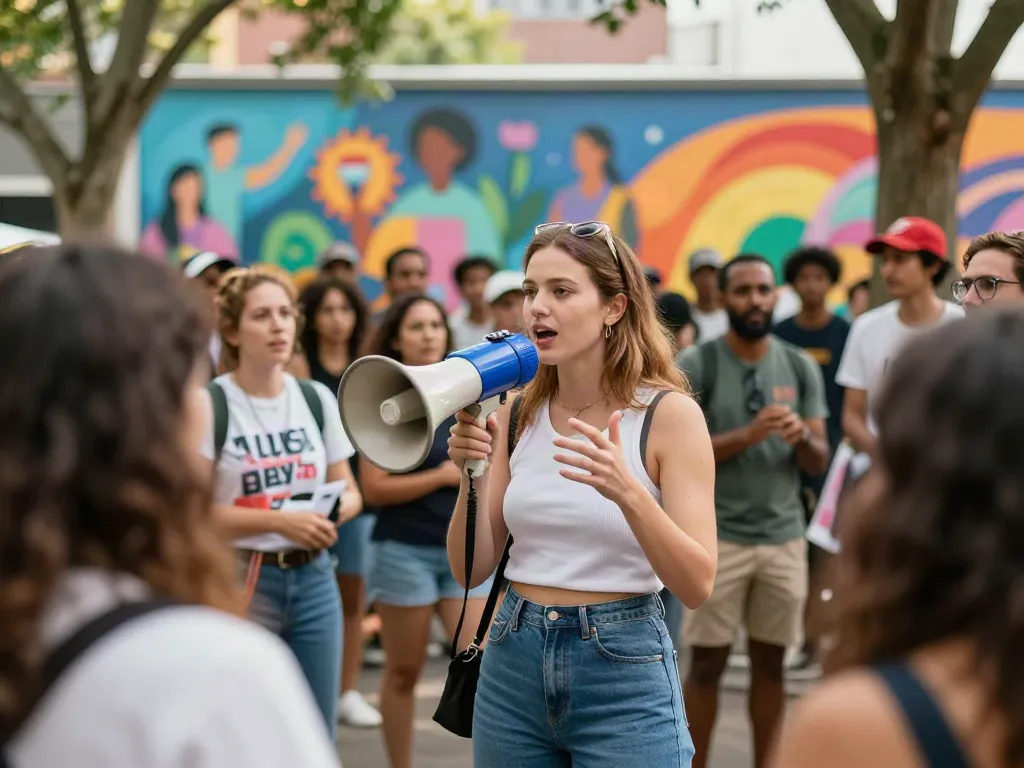
- Public Speaking: Participating in forums and discussions helps elevate the issues she advocates for, providing a face to the movement.
- Workshops and Webinars: Offering educational sessions on men's issues helps to create informed supporters who can advocate effectively.
Building Support Networks
Creating a supportive network is crucial for any movement. Chloe emphasizes the importance of community by connecting individuals who share similar experiences and concerns. This approach fosters an environment where open discussions can occur, encouraging more men to engage with the movement and express their struggles without fear of judgment.
Innovative Campaign Strategies by Chloe Sunderland
Chloe is known for her innovative campaigning methods, which often incorporate humor and relatability to engage her audience. By using memes, relatable stories, and personal anecdotes, she crafts campaigns that resonate with younger demographics, thus broadening the reach of men's rights advocacy.
Future Trends in Men's Rights Advocacy
As we look towards the future of the men's rights movement and its advocacy strategies, several trends emerge that will likely shape its trajectory well into 2026 and beyond.
Emerging Issues for 2026 and Beyond
With ongoing societal shifts, the men's rights movement must adapt to new challenges, including:
- Mental Health Awareness: Increasing focus on mental health will lead to a demand for tailored resources and support systems for men.
- Legal Reforms: Advocacy for equitable family law will remain a centerpiece as societal attitudes towards parenting evolve.
- Workplace Safety Advocacy: As industries adapt to safety standards, advocating for men's safety in high-risk jobs will gain importance.
The Role of Social Media in Advocacy
Social media's role in shaping public perception cannot be overstated. Platforms will continue to serve as pivotal arenas for discourse, allowing figures like Chloe Sunderland to frame narratives, mobilize support, and challenge existing paradigms effectively. Harnessing these platforms will be key in advancing the men’s rights conversation in meaningful ways.
Chloe Sunderland's Vision for the Future
Chloe Sunderland envisions a future where discussions about gender issues are holistic, incorporating the perspectives of all genders. Through her dedicated advocacy, she aims to foster greater understanding and cooperation between movements, ultimately striving for a society where every individual's rights are respected and acknowledged. Her vision encapsulates the essence of what it means to advocate not just for men's rights, but for a balanced approach to gender equality.