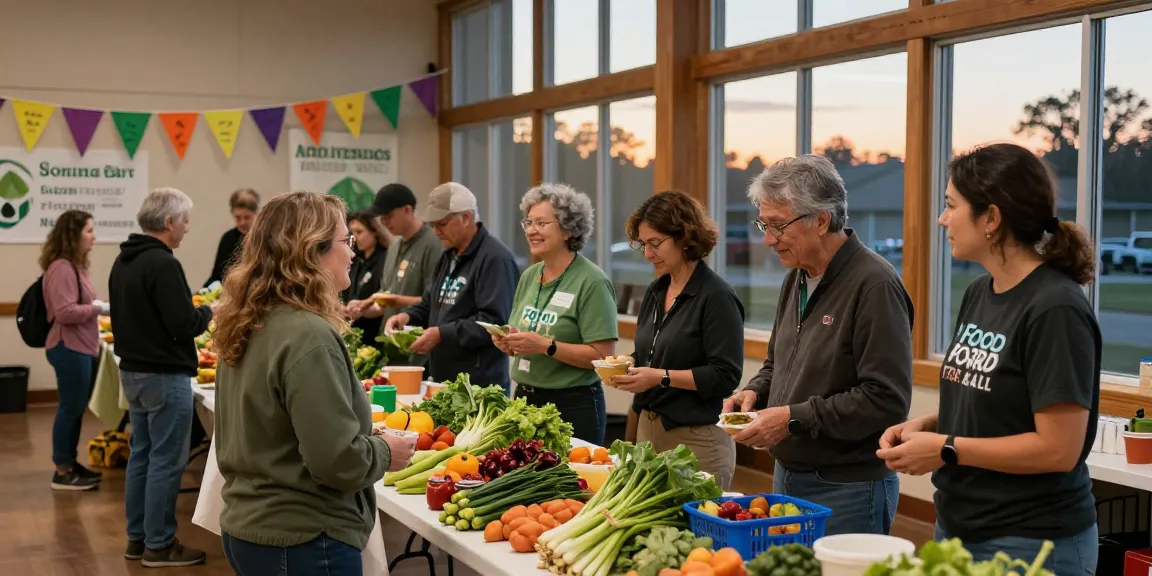
Introduction to Food Cooperatives at springshall.org
Food cooperatives are growing in popularity as communities seek healthier options and sustainable practices. In Sonoma Valley, the springshall.org initiative is at the forefront of this movement, blending local resources with community needs to create a vibrant food system. This article explores the concept of food cooperatives, their historical context in Sonoma Valley, and the numerous benefits they bring to local communities. As we delve deeper, we'll uncover how these cooperatives are essential in fostering a healthier food ecosystem, particularly for those in need.
What is a Food Cooperative?
A food cooperative, or food co-op, is a member-owned business that provides access to healthy, locally sourced food. Unlike traditional grocery stores, cooperatives emphasize community involvement and sustainable practices, focusing on serving the needs of their members. Members typically have voting power in decisions regarding the co-op, which encourages transparency and accountability. The goal of food cooperatives is not only to provide food but also to build a network of support among local farmers, consumers, and other stakeholders in the food system.
History of Food Cooperatives in Sonoma Valley
The concept of food cooperatives dates back to the mid-19th century, but in Sonoma Valley, recent years have seen a surge in grassroots initiatives aimed at creating local food systems. Food cooperatives began as a response to the need for sustainable food sources amidst rising costs and food insecurity. They have since evolved into essential hubs for community engagement, offering everything from fresh produce to educational workshops on sustainable farming practices. The Springs Hall has played a pivotal role in this development, hosting various events and programs to promote local agriculture and cooperative engagement.
Key Benefits of Food Cooperatives for the Community
- Access to Fresh Produce: Food cooperatives prioritize locally sourced, organic products, making them accessible to community members who may not have other avenues for purchasing fresh food.
- Community Building: Co-ops encourage social ties, bringing together members who share a commitment to supporting local agriculture and sustainable practices.
- Educational Opportunities: Many cooperatives offer workshops and resources that educate community members about nutrition, food preparation, and sustainable farming methods.
- Support for Local Farmers: By working directly with local producers, food cooperatives help sustain local farming economies and promote responsible agricultural practices.
Farmer’s Friend Program: Supporting Local Agriculture
How the Farmer’s Friend Program Operates
The Farmer's Friend program is an initiative designed to bridge the gap between local farmers and residents in need. By sourcing excess produce from local farms, the program distributes it to families facing food insecurity, ensuring that fresh, organic produce reaches those who might not afford it otherwise. This operation is made possible due to the collaboration between Springs Hall and various local agricultural partners, as well as dedicated community volunteers who assist in the gleaning and distribution processes.
Impact of Local Farmers on Food Accessibility
Local farmers are pivotal in enhancing food accessibility within Sonoma Valley. The Farmer's Friend program acts as a catalyst by providing a streamlined method for farmers to contribute surplus produce. This direct connection not only reduces food waste but also fosters a sense of community accountability among consumers and producers alike. With the ongoing support of local farms such as Oak Hill Farm and Paul’s Produce, the program has successfully distributed thousands of pounds of fresh produce to community members, reaffirming the importance of local agriculture in ensuring food security.
Success Stories from the Farmer’s Friend Initiative
The impact of the Farmer’s Friend initiative is best illustrated through the success stories of recipients and participating farmers. For instance, various families have reported significant improvements in their diet quality due to access to fresh, organic produce. Farmers, in turn, have expressed gratitude for the opportunity to contribute to the community while sustaining their agricultural practices. Programs like these demonstrate how effective collaboration can lead to tangible benefits, inspiring other regions to explore similar initiatives.
Collaborations with Local Organizations
Partnerships with Sonoma Overnight Support
Collaboration is key to maximizing the impact of food cooperatives, and partnerships with organizations such as Sonoma Overnight Support (SOS) have proven particularly beneficial. SOS operates a vital food distribution kitchen at Springs Hall, which has been crucial in providing hot meals to the homeless and those experiencing hardship in the area. This partnership has not only enabled the Hall to fulfill its community service mandate but has also established a more comprehensive support system for those in need.
Working with Food For All: A Community Effort
Food For All / Comida Para Todos embodies the spirit of community collaboration, working hand-in-hand with Springs Hall to facilitate the collection and distribution of excess produce. By leveraging resources from local farms and organizing volunteer efforts, this initiative has significantly increased the amount of healthy food available to vulnerable populations in Sonoma Valley. The involved teams have successfully coordinated the distribution of thousands of essential goods, including staple items and household necessities.
Benefits of Collaborating for Enhanced Outreach
The benefits of collaboration extend beyond mere food distribution. Partnering with local organizations allows for a broader outreach, tapping into diverse community networks that amplify the message and impact of food cooperatives. Such collaborations can facilitate educational workshops, advocacy for sustainable practices, and the development of new programs that cater to specific community needs, ultimately fostering a more cohesive and resilient local food system.
Community Engagement: Volunteering and Participation
How to Get Involved with springshall.org
Community engagement is vital for the success of food cooperatives, and there are numerous ways individuals can participate at Springs Hall. Whether you’re interested in volunteering for food distribution, attending workshops, or joining the cooperative, there is a role for everyone. Engaging with springshall.org can provide an opportunity to learn more about the cooperative model, while also contributing to local efforts aimed at enhancing food security.
Volunteer Opportunities for Local Food Distribution
Volunteering for local food distribution is a fulfilling way to give back to the community. Springs Hall frequently seeks volunteers to assist with food packing, distribution, and gleaning activities. These opportunities not only help those in need but also foster connections among community members, strengthening the bonds that make Sonoma Valley a unique and nurturing place to live.
Community Events that Promote Food Awareness
Springs Hall proudly hosts a variety of events that aim to raise awareness about food sustainability and health. From farmers' markets to educational workshops and cooking demonstrations, these events serve as platforms for sharing knowledge and resources. By participating in these gatherings, community members can deepen their understanding of local food systems and contribute to the overall mission of promoting a healthier, more sustainable community.
Future Trends of Food Cooperatives in 2026
Emerging Practices in Local Food Systems
Looking ahead to 2026, food cooperatives are expected to adapt and evolve, reflecting emerging practices in local food systems. Trends such as regenerative agriculture, vertical farming, and community-supported agriculture are likely to gain traction, encouraging more eco-friendly methods of food production. Cooperatives will also focus on integrating technology to improve their operations, streamline distribution, and enhance member engagement.
Technological Advances Supporting Cooperatives
Technology will play a crucial role in the future of food cooperatives, from innovative farming techniques to efficient supply chain management. Tools such as farm management software, e-commerce platforms for food ordering, and social media for community engagement will enable cooperatives to operate more efficiently and connect with a broader audience. By embracing these technological advancements, food cooperatives can better serve their members and enhance overall community resilience.
Predictions for Food Cooperatives and Community Resilience
As we move into 2026, it is predicted that food cooperatives will become essential components of community resilience, providing not only food security but also social cohesion and environmental sustainability. The cooperative model allows for community members to take ownership of their food systems, ensuring that local needs are met while promoting responsible practices. This proactive approach is likely to inspire other regions to adopt similar frameworks, further spreading the benefits of food cooperatives across the nation.
What are the benefits of joining a food cooperative?
Joining a food cooperative offers numerous benefits. Members gain access to fresh, locally sourced produce, educational resources on sustainable practices, and a supportive community of like-minded individuals. Co-ops also empower members to participate in decision-making processes, fostering a sense of ownership and responsibility over local food systems.
How does springshall.org support local farmers?
Springshall.org supports local farmers by facilitating connections with community members in need, promoting their produce through initiatives like the Farmer's Friend program, and advocating for local agriculture. This creates a sustainable model that benefits both farmers and consumers while nurturing the local economy.
Are there volunteer programs available at springshall.org?
Yes, springshall.org offers various volunteer programs that engage community members in food distribution, education, and outreach activities. Volunteering provides an opportunity to contribute to the community while gaining insights into the cooperative model and local food systems.
What food distribution services are offered in Sonoma Valley?
In Sonoma Valley, food distribution services include hot meal programs, grocery distributions, and collaborative efforts with local organizations to ensure that fresh, healthy food reaches those in need. Initiatives like the Farmer's Friend program and partnerships with SOS and Food For All highlight the extensive support available to the community.
How can I contact springshall.org for more information?
If you are interested in learning more about springshall.org, you can reach out via email at [email protected]. The team is eager to provide information about their initiatives, volunteer opportunities, and events aimed at promoting community involvement in local food systems.