Understanding the Basics of RT5880 PCB Fabrication
In the rapidly evolving world of electronics, high-frequency applications have become increasingly essential. The fabrication of PCBs (Printed Circuit Boards) using specialized materials, such as Rogers RT5880, plays a critical role in the performance of these applications. RT5880 is a high-frequency laminate known for its excellent dielectric properties and its ability to minimize signal loss, making it a preferred choice for engineers and designers in the telecommunications, aerospace, and medical industries. When exploring options, RT5880 PCB fabrication provides comprehensive insights into achieving optimal results.
What is RT5880 and Why is it Important?
Rogers RT5880 is a PTFE-based, reinforced laminate that offers superior thermal and electrical properties. With a dielectric constant (Dk) of 2.20 and a low dissipation factor (Df), this material is designed for high-frequency circuits where signal integrity is paramount. Its lightweight yet robust design allows for flexibility in applications ranging from satellite communication to radar systems. The importance of RT5880 lies not only in its physical properties but also in its ability to meet the stringent requirements of modern electronic systems.
Key Properties of RT5880 for PCB Applications
The efficacy of RT5880 in PCB applications can be attributed to several key properties:
- Low Loss Characteristics: The low Df ensures minimal signal loss, making it ideal for high-frequency applications.
- Thermal Stability: RT5880 maintains its performance over a broad temperature range, enhancing reliability in various environments.
- High Moisture Resistance: This property is crucial for outdoor applications, ensuring longevity in humid conditions.
- Excellent Workability: It can be easily processed using standard PCB fabrication technologies, including etching and drilling.
Common Uses in High-Frequency Electronics
RT5880 is widely utilized in various high-frequency applications:
- Telecommunications: Used in antennas and high-speed data transmission systems.
- Aerospace: Ideal for radar systems and satellite communications that require precise and dependable signal performance.
- Medical Devices: Used in imaging and diagnostic devices where precision is critical.
Materials and Techniques in RT5880 PCB Fabrication
Choosing the Right Materials for Optimal Performance
A successful RT5880 PCB fabrication process begins with selecting the right complementary materials. In addition to RT5880 laminate, materials like copper foils and adhesives play significant roles in ensuring optimal mechanical and electrical performance. Engineers must consider the thermal conductivity and compatibility of these materials to avoid issues during manufacturing and operation.
Techniques for Effective PCB Manufacturing
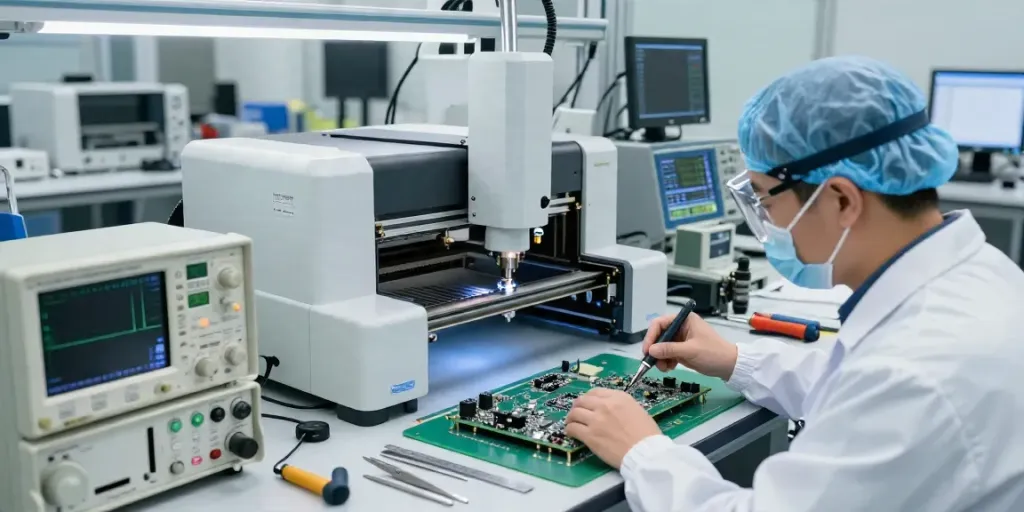
To achieve high-quality results in RT5880 PCB fabrication, manufacturers employ various techniques:
- Advanced Etching Methods: Precision etching techniques are necessary to create intricate circuit designs without compromising the laminate.
- Controlled Drilling: Maintaining proper drill speeds and feeds is crucial to avoid damaging the laminate during hole creation.
- Surface Preparation: Proper cleaning and preparation of surfaces enhance adhesion and overall performance of the assembled PCBs.
Best Practices for Handling RT5880 Laminates
Proper handling of RT5880 laminates is essential to maintain their integrity. Best practices include:
- Temperature Control: Store laminates in a climate-controlled environment to avoid moisture absorption.
- Avoiding Contamination: Ensure that surfaces are clean and free from oils or contaminants before processing.
- Careful Cutting: Use specialized cutting tools to minimize the risk of fraying and damage during the manufacturing process.
Challenges in RT5880 PCB Fabrication
Common Pitfalls and How to Avoid Them
Despite its advantages, PCB fabrication with RT5880 can present challenges. Common pitfalls include:
- Improper Handling: Failing to follow handling recommendations may lead to defects. It’s crucial to train personnel on best practices.
- Inaccurate Drilling: Uneven or inaccurate drilling can result in compromised circuit functionality, making precision essential.
- Uncontrolled Environmental Conditions: Fluctuations in temperature and humidity can adversely impact the PCB quality.
Impact of Environmental Factors on Fabrication
The performance of RT5880 PCBs can be significantly affected by environmental factors. Excess moisture can lead to delamination and signal loss, while excessive heat can result in warping. Therefore, producers need to implement strict environmental controls during both the fabrication process and storage.
Addressing Compatibility with Other PCB Materials
When integrating RT5880 with other materials, such as traditional FR-4, compatibility issues may arise. Careful selection of materials that work harmoniously with RT5880’s properties is critical to avoid stress and failure points, especially in multilayer assemblies where different thermal expansion rates may cause issues.
Advanced Techniques in RT5880 PCB Design
Utilizing Simulation Software for Design Verification
Incorporating simulation software into the design process can significantly improve the accuracy of RT5880 PCB designs. Tools that simulate electromagnetic performance help in validating designs before fabrication, ensuring that any potential issues are addressed early.
Design Guidelines for High-Frequency Applications
Designing for high-frequency applications requires attention to several guidelines:
- Minimize Signal Path Lengths: Shorter paths reduce signal degradation.
- Controlled Impedance: Maintaining the correct impedance throughout the design is crucial for signal integrity.
- Layer Stack-Up: Properly designed layer stack-up affects performance; consider factors like dielectric thickness and material types.
Case Studies on Successful RT5880 PCB Designs
Examining successful implementations of RT5880 highlights its capabilities. For example, a recent project featuring RT5880 for satellite communication demonstrated a 30% increase in signal clarity over previous designs using alternative materials. This case illustrates both the material's potential and the importance of meticulous design and fabrication processes.
The Future of RT5880 PCB Fabrication in 2026 and Beyond
Emerging Technologies and Innovations
The landscape of RT5880 PCB fabrication is evolving rapidly. Innovations in material science, such as the development of hybrid materials that combine the properties of RT5880 with other materials, promise to push the boundaries of what is possible in high-frequency electronics.
Trends Shaping the Future of High-Frequency PCBs
Key trends include increased demand for higher frequency bands with more complex PCBs. As technologies advance, the need for materials that can operate efficiently at GHz frequencies is becoming paramount, positioning RT5880 as a strong candidate for future developments.
Predictions for Market Growth and Demand
The market for high-frequency PCBs, particularly those utilizing materials like RT5880, is projected to grow significantly in the next several years. Factors driving this growth include the expansion of IoT devices and the need for better wireless communication systems. Companies investing in RT5880 fabrication capabilities are poised to lead in this growing market.
What is Rogers RT5880?
Rogers RT5880 is a high-frequency laminate designed for various advanced electronic applications. Its combination of low loss and high reliability makes it ideal for demanding environments.
What Applications Utilize RT5880 PCBs?
RT5880 PCBs are commonly found in telecommunications, aerospace, and medical device applications, where performance and reliability are critical.
How to Measure Performance in RT5880 Fabrications?
Performance can be measured using parameters such as signal integrity, thermal stability, and resistance to moisture. Testing methodologies should align with industry standards for the intended application.
What are the Cost Factors in RT5880 Fabrication?
Cost factors include raw material prices, the complexity of designs, manufacturing techniques, and the volume of production. Understanding these elements is essential for budgeting in high-frequency PCB projects.
How to Ensure Quality Control in PCB Production?
Implementing rigorous quality control measures, including inspections and testing throughout the production process, can help ensure that RT5880 PCBs meet the necessary specifications and performance standards.