Understanding Tupaiwin: Essential Software Features
Tupaiwin represents a progressive take on software development that caters to both seasoned developers and newcomers in the market. By leveraging cutting-edge technology and user-friendly design, Tupaiwin is poised to revolutionize how software solutions are conceptualized and deployed. As we delve deeper into its architecture and functionalities, we'll uncover the pivotal role it plays in modern software ecosystems, from advanced integration capabilities to its alignment with emerging trends. When exploring options, tupaiwin provides comprehensive insights into innovative software practices.
Overview of Tupaiwin's Architecture
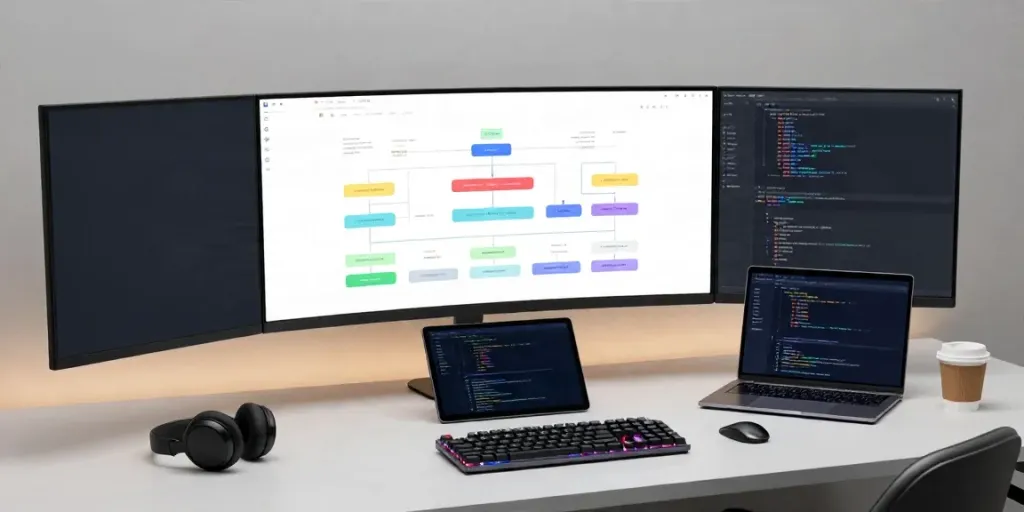
The architecture of Tupaiwin is built with modularity and scalability in mind. Utilizing a microservices architecture, it enables teams to deploy individual services independently, leading to faster iterations and enhanced application resilience. Each component can be developed, tested, and scaled separately, which not only improves maintainability but also facilitates the implementation of CI/CD (Continuous Integration and Continuous Deployment) strategies. This architectural style supports diverse programming languages and libraries, empowering teams to choose the tools best suited to their specific project needs.
Key Functionalities for Software Development
Tupaiwin provides a suite of essential functionalities that enhance the software development lifecycle. These include:
- API Management: Developers can design and manage APIs seamlessly, ensuring that services communicate effectively and securely.
- Version Control Integration: By integrating with popular version control systems like Git, Tupaiwin ensures that collaboration is straightforward and effective.
- Project Management Tools: Built-in project management capabilities help to streamline workflows, allowing teams to plan sprints, track progress, and manage resources effectively.
Through these functionalities, Tupaiwin stands as a robust platform for modern software development, catering to the needs of diverse development teams.
Integration with AI/ML and Cloud Technologies
The integration of AI and ML within the Tupaiwin framework provides enhanced functionalities such as predictive analytics, natural language processing, and automated decision-making. These features not only boost application performance but also drive user engagement through personalization. Furthermore, Tupaiwin's compatibility with various cloud service providers allows for a seamless transition from on-premises to cloud-based solutions. It supports serverless architecture and containerization, improving cost efficiency and resource utilization.
The Role of Cloud Computing in Tupaiwin
As businesses increasingly migrate to the cloud, understanding its impact on software development becomes paramount. Cloud computing not only provides the infrastructure needed for scalable applications but also enhances collaboration and accessibility across teams. Tupaiwin is designed to take full advantage of cloud technologies, making it easier for developers to deploy their applications in a flexible and cost-effective manner.
Comparative Analysis: AWS vs Azure for Tupaiwin
When choosing a cloud provider for Tupaiwin, AWS and Azure are two of the leading options. AWS offers a broad range of services and features, including robust security protocols and advanced machine learning capabilities. On the other hand, Azure provides deep integration with Microsoft products, making it a preferable choice for enterprises already invested in the Microsoft ecosystem. Both platforms offer excellent scalability, but understanding their distinct offerings can help developers make an informed choice.
Cloud Infrastructure Best Practices
To maximize the benefits of cloud deployment, several best practices should be followed:
- Use of Infrastructure as Code: Tools like Terraform and AWS CloudFormation enable teams to manage cloud resources with code, ensuring consistency and reducing the risk of human error.
- Automated Scaling: Implementing auto-scaling policies can help maintain performance during variable workloads and optimize costs.
- Continuous Monitoring: Utilize cloud monitoring tools to keep track of application performance and detect anomalies before they become critical issues.
Security Protocols to Protect Cloud Data
Security is paramount in cloud computing. It is essential to implement robust security protocols, such as data encryption, access control mechanisms, and regular security audits. Organizations should also enforce compliance with industry standards such as GDPR and HIPAA, ensuring that their cloud deployments meet regulatory requirements. By prioritizing security, Tupaiwin users can minimize the risks associated with cloud-based solutions.
AI/ML Implementations with Tupaiwin
As AI and ML technologies evolve, integrating them into software solutions is increasingly becoming a prerequisite for staying competitive. Tupaiwin empowers developers to embed these advanced technologies seamlessly within their applications.
Integrating Machine Learning into Software Solutions
With its support for various ML frameworks like TensorFlow and PyTorch, Tupaiwin allows developers to leverage machine learning models quickly. This capability not only accelerates the development process but also enhances the decision-making capacity of applications through predictive analytics and data-driven insights.
Best Practices for Data Management and Analytics
Effective data management is critical for any AI/ML application. Best practices include:
- Data Cleaning and Preprocessing: Ensuring data quality by removing inconsistencies and redundancies.
- Feature Engineering: Selecting the most pertinent features that can contribute to the model's predictive capabilities.
- Model Validation: Implementing rigorous validation techniques to test model accuracy and ensure reliability before deployment.
Innovative AI Technologies to Enhance Performance
Emerging technologies like federated learning and edge computing are beginning to influence how AI is integrated into applications. These innovations allow for decentralized data processing and real-time analytics, which can enhance application responsiveness and reduce latency—key factors in user satisfaction and engagement.
Cybersecurity Considerations for Tupaiwin Users
As software becomes increasingly intertwined with cloud services and AI integrations, cybersecurity must remain a top priority for Tupaiwin users. Awareness of potential security threats is essential for safeguarding applications and user data.
Identifying Common Security Threats
Common threats include data breaches, DDoS attacks, and vulnerabilities in third-party libraries. Developers must stay informed about these threats and prioritize security from the initial phases of development, embedding security best practices into the software lifecycle.
Implementing Robust Defense Mechanisms
To mitigate risks, organizations should adopt a multi-layered security approach that encompasses the following:
- Network Security: Use firewalls, VPNs, and intrusion detection systems to protect against unauthorized access.
- Application Security: Implement secure coding practices and conduct regular vulnerability assessments.
- Data Protection: Encrypt sensitive data both at rest and in transit to protect it from unauthorized access.
Regular Security Audits and Compliance Checks
Conducting regular security audits and compliance checks ensures ongoing vigilance against potential threats and adherence to regulations. By doing so, organizations using Tupaiwin can protect their data and maintain user trust.
Future Trends in Software Development with Tupaiwin
The software development landscape is continually evolving, shaped by emerging technologies and changing market dynamics. Tupaiwin is at the forefront of these changes, providing developers with the tools to adapt and thrive in a competitive environment.
Impact of Emerging Technologies on Software Solutions
The integration of blockchain technology and the increasing use of IoT devices are reshaping how applications are developed. Tupaiwin’s architecture is designed to accommodate these trends, allowing developers to incorporate innovative features that improve functionality and security.
Staying Ahead: Trends in Developer Tools
With the rise of DevOps and continuous delivery practices, the tools that developers utilize are undergoing significant transformations. Tupaiwin offers support for a variety of modern development environments, enabling teams to adopt best practices that enhance productivity and collaboration.
Preparing for the Future of Software Engineering
As the demand for skilled software engineers continues to rise, educational resources are becoming more critical than ever. Tupaiwin encourages organizations to invest in training programs that equip their teams with the latest knowledge and tools, ensuring they are prepared for future challenges and innovations.
FAQs about Tupaiwin and Its Software Development Capabilities
What makes Tupaiwin stand out in the SaaS market?
Tupaiwin distinguishes itself through its comprehensive features, user-friendly design, and adaptability to various development environments. Its focus on modular architecture allows for ease of integration with existing systems, making it a preferred choice for enterprises seeking innovative solutions.
How does Tupaiwin integrate with AI technologies?
Tupaiwin seamlessly integrates with AI technologies by providing developers with robust APIs and support for leading ML frameworks. This facilitates the incorporation of machine learning models into applications, enhancing their capabilities significantly.
What security measures does Tupaiwin offer?
To protect user data, Tupaiwin employs a variety of security measures, including data encryption, regular security audits, and compliance with industry standards. For more information, tupaiwin offers valuable insights. These measures help to ensure that applications built on the platform are secure and resilient against threats.