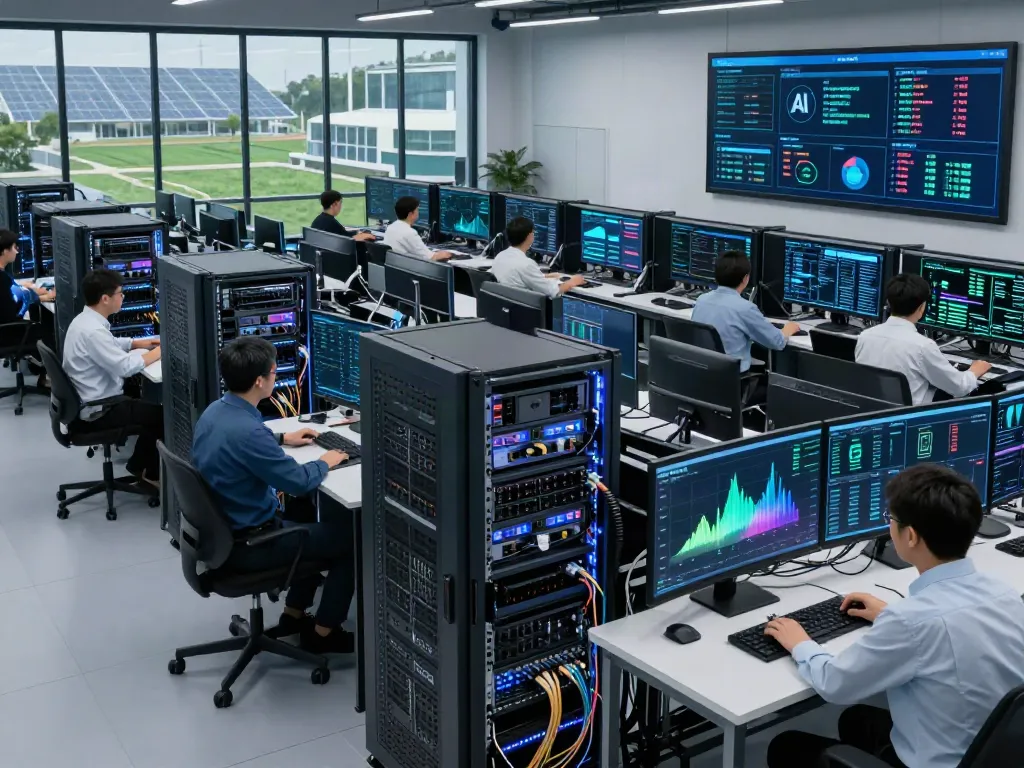
Understanding AI Image Detectors
In today's digital landscape, image authenticity is more critical than ever. With the rise of artificial intelligence (AI) in content creation, distinguishing between genuine photographs and those generated by AI has become a significant challenge. This article explores the concept of AI image detectors, which serve as essential tools for identifying AI-generated visuals. These technologies play a crucial role in various fields, from journalism to academia, where the integrity of visual content is paramount. By understanding how these detectors function and their importance, users can better navigate the evolving media landscape. When exploring options, AI Image Detector provides comprehensive insights into identifying synthetic imagery.
What is an AI Image Detector?
An AI image detector is a specialized software tool designed to analyze images and determine whether they were created by artificial intelligence. These detectors leverage advanced algorithms and machine learning techniques to evaluate various features of an image, such as patterns, colors, and textures, that may indicate AI generation. With the proliferation of AI-powered image generation software, such as DALL·E, MidJourney, and Stable Diffusion, the demand for reliable identification tools has surged.
How AI Image Detectors Work
AI image detectors utilize a combination of deep learning and computer vision techniques. They are trained on vast datasets containing examples of AI-generated images and traditional photographs. When an image is uploaded for analysis, the detector processes it through multiple layers of algorithms that assess attributes like pixel distribution, inconsistencies in lighting, and unnatural patterns. The effectiveness of these detectors often relies on continuous training with new datasets to adapt to evolving AI generation techniques.
Importance of Authenticating Visual Content
With misinformation and deepfakes becoming prevalent, the ability to authenticate images is crucial for maintaining credibility in various sectors including journalism, advertising, and academic research. AI image detectors not only help verify the authenticity of visual content but also protect against potential fraud and misinformation. By utilizing these tools, organizations can uphold trust and integrity in their communications.
Key Features of AI Image Detectors
Core Functionalities and Capabilities
AI image detectors come equipped with several core functionalities that enhance their performance. Key features typically include:
- Speed: Many detectors can analyze images within seconds, making them efficient for real-time applications.
- Accuracy: Advanced models can achieve high accuracy rates, distinguishing AI-generated images from genuine content with remarkable reliability.
- Multi-format Support: Most detectors can handle various image formats, including JPG, PNG, and even video frames.
- User-friendly Interface: Many detectors are designed for ease of use, allowing non-technical users to perform analysis effortlessly.
Comparison of Top AI Image Detectors
Several AI image detectors have emerged as industry leaders based on features, accuracy, and user feedback. For instance:
- ZeroGPT: Known for its comprehensive analysis capabilities, it helps identify images created by popular AI generators.
- DeepAI: Offers a free tool that easily detects AI-generated content and manipulated photos.
- WasItAI: This detector is gaining traction for its quick insights into whether an image is AI-generated or not.
When selecting an AI image detector, it is crucial to consider these comparisons to ensure alignment with user needs.
Case Studies: Successful Implementations
Numerous industries have successfully integrated AI image detectors into their workflows:
- Journalism: Newsrooms are employing these tools to verify images before publication, ensuring the authenticity of visuals in reporting.
- Education: Academic institutions use AI image detectors to validate visual data in research, enhancing the credibility of findings.
- Social Media: Platforms are adopting these technologies to combat the spread of misinformation through deepfake content.
Cost Factors for AI Image Detectors
Pricing Models: Subscription vs. One-Time Payment
Understanding the pricing models for AI image detectors is essential for users considering these tools. Most companies offer subscription-based pricing, which provides ongoing access to updates and new features. Alternatively, some offer one-time purchase options for less frequent users. Evaluating the long-term needs and budget constraints can help users make an informed decision.
Additional Costs to Consider
Besides the initial cost of acquiring an AI image detector, additional expenses may arise, such as:
- Training Costs: If the tool requires training or customization, additional investment may be needed.
- Data Storage: Large datasets for analysis may incur storage costs, particularly for cloud-based solutions.
- Support Services: Technical support and maintenance can add to the overall cost of ownership.
Free Tools vs. Premium Services
There is a variety of AI image detectors available, ranging from free tools to premium services. Free tools are often limited in functionality and may not have the same level of accuracy as their paid counterparts. Premium services, while more costly, generally provide advanced features, improved accuracy, and better support.
Best Practices for Using AI Image Detectors
How to Maximize Detection Accuracy
To achieve the best results with AI image detectors, users should follow several best practices:
- Use High-Quality Images: Higher resolution images lead to better analysis outcomes.
- Keep Software Updated: Regular updates ensure the detector is equipped to handle new AI generation techniques.
- Cross-Verify Results: It's best to use multiple detectors to verify findings, particularly for critical applications.
Common Mistakes and How to Avoid Them
Users often make mistakes that can compromise accuracy, such as:
- Ignoring Updates: Failing to update the software can result in outdated detection capabilities.
- Overreliance on One Tool: Relying solely on one detector can lead to missed nuances in detection.
- Poor Input Quality: Submitting low-quality images may yield inaccurate results.
User Testimonials and Feedback
Gathering feedback from users can provide valuable insights into the strengths and weaknesses of different AI image detectors. Many users appreciate the speed and reliability of tools that have proven effective in various scenarios, bolstering the tool's reputation and improving user trust.
Future of AI Image Detection Technology
Emerging Trends and Predictions for 2026
The landscape of AI image detection technology is continually evolving. In the coming years, we expect to see:
- Enhanced Learning Algorithms: Future detectors are likely to incorporate more sophisticated algorithms, improving accuracy and adaptability.
- Integration with Other Technologies: AI image detectors may be integrated with other AI technologies, such as video analysis and live streaming applications.
- Increased Regulation: As deepfakes and AI-generated content become more prevalent, regulatory standards may emerge to ensure ethical use of these technologies.
Impact of AI Advances on Image Detection
As AI technologies advance, the tools used for image detection must also evolve. This includes improving detection rates for increasingly sophisticated AI-generated imagery. Continuous collaboration between developers and researchers will be essential in keeping pace with the rapid progression of AI tools.
Preparing for New Challenges Ahead
Organizations must prepare for new challenges in the realm of image authenticity. This includes investing in tools that not only detect AI-generated images but also educate users about potential risks associated with synthetic content. Building awareness among stakeholders will be critical in maintaining trust.
What are the limitations of AI Image Detectors?
Despite their advancements, AI image detectors have limitations. They may struggle with images that blend human and AI elements, leading to false positives or negatives. Furthermore, detectors are only as good as the datasets they are trained on, meaning new AI generation techniques may temporarily outpace detection capabilities.
How accurate are AI Image Detectors in 2026?
By 2026, we anticipate that AI image detectors will reach accuracy rates above 90%, particularly for well-defined types of AI-generated content. Ongoing improvements in training methods and datasets will drive these advancements, allowing detectors to more effectively distinguish between human and AI-generated imagery.
Can AI Image Detectors identify deepfakes?
Yes, many AI image detectors are specifically designed to identify deepfakes. They analyze subtle indicators such as unnatural movements and inconsistencies in lighting that are often present in manipulated videos and images. As deepfake technology advances, so too will the capabilities of these detection tools.
What industries benefit most from AI Image Detection?
Industries that benefit significantly from AI image detection include:
- Media and Journalism: Ensuring visual content integrity to maintain public trust.
- Legal: Verifying evidence submitted in court cases.
- Marketing and Advertising: Guaranteeing the authenticity of images used in campaigns to avoid backlash.
How to choose the right AI Image Detector for your needs?
Selecting the appropriate AI image detector involves evaluating several factors, including:
- Specific Needs: Identify whether your primary concern is speed, accuracy, or feature set.
- Budget: Determine how much you are willing to invest in these tools.
- User Experience: Opt for tools with intuitive interfaces that match your technical proficiency.
By considering these aspects, users can make informed decisions that align with their requirements, ensuring they select the best AI image detector for their needs.