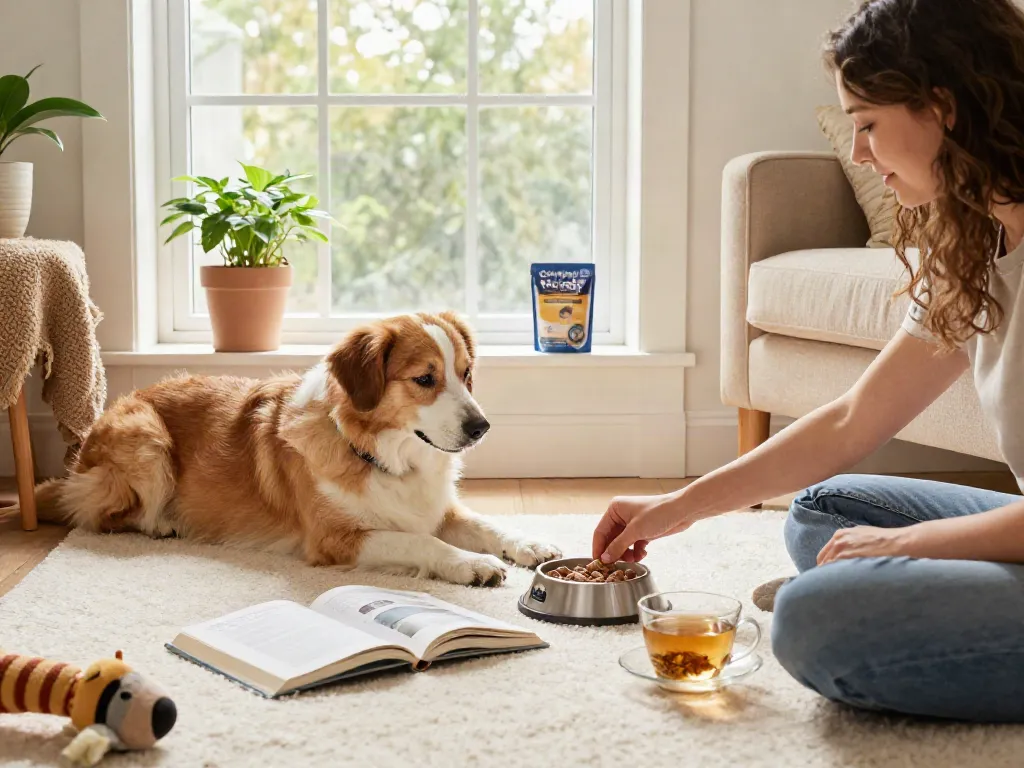
The Importance of Calming Dog Treats for Stress Relief
Understanding a dog’s emotional well-being is crucial for any pet owner. Just like humans, dogs experience stress and anxiety, which can manifest in various behaviors such as excessive barking, destructive chewing, or hiding. To help manage these feelings, many pet owners turn to calming dog treats, which are designed to help soothe anxious pets without sedating them. When exploring options, Calming Dog Treats provide comprehensive insights into how specific ingredients can support your dog's mental health and overall tranquility.
Understanding Stress in Dogs
Dogs can become stressed for a variety of reasons: changes in their environment, loud noises, separation from their owners, or even new experiences. Recognizing the signs of stress in dogs is essential for timely intervention. Stress responses can include panting, pacing, barking, and changes in eating habits. By understanding these signs, you can better support your dog and help them navigate challenging situations.
How Calming Dog Treats Work
Calming treats are formulated with specific ingredients that can help alleviate anxiety without causing sedation. Unlike medications that may have side effects, calming chews such as HighV Calm & Relax Dog Treats use a combination of natural ingredients to promote relaxation and emotional balance. The mechanism involves acting on the dog's biochemical pathways to foster a state of calm.
Benefits of Natural Ingredients
Many calming dog treats contain natural ingredients like valerian root, lemon balm, and L-theanine that are renowned for their calming effects. For instance, valerian root has a long history of use in traditional medicine for its sedative properties while L-theanine, an amino acid found in green tea, supports relaxation without drowsiness. These natural ingredients provide a holistic approach to calming stress and anxiety in dogs.
Choosing the Right Calming Dog Treats
Comparing Different Types of Treats
Not all calming treats are created equal. Some may contain potent active ingredients while others might rely on filler ingredients with little therapeutic value. It's crucial to compare product ingredients, dosages, and claims to ensure you're selecting the best option for your dog. Products like HighV Calm & Relax Dog Treats stand out because of their multi-ingredient approach, offering targeted relief over single-ingredient alternatives.
Ingredients to Look For
When choosing calming dog treats, look for products that clearly list active ingredients and their concentrations. Key ingredients such as valerian root, lemon balm, and magnesium can significantly contribute to a dog's calmness. Transparency in the formulation ensures that pet owners can make informed decisions about their dog’s nutrition.
Dosage Guidelines for Optimal Results
Follow the manufacturer’s recommended dosages for the best outcomes. If your dog weighs less than the average adult dog, reduce the dosage accordingly. It's essential to feed calming treats consistently to build up the active ingredients in your dog's system before any stressful events occur.
Safety and Suitability of Calming Dog Treats
Understanding Ingredient Interaction
Some ingredients may interact with medications your pet is currently taking. Always read the labels and consult your veterinarian to prevent any adverse reactions, especially if your dog is on medication for anxiety or other health issues.
Are They Safe for Puppies and Seniors?
Most calming dog treats are safe for puppies over a certain age (usually at least 12 weeks) and senior dogs. However, young puppies require special consideration due to their developmental stage. Always consult with your veterinarian regarding specific dietary supplements for very young or elderly pets.
Consulting Your Veterinarian
Before starting any new treats or supplements, it is advisable to consult your veterinarian. They can help evaluate your dog’s health and any potential interactions with existing medications, ensuring you choose the safest and most effective options.
Integrating Calming Dog Treats into Your Dog's Routine
Timing and Frequency for Best Results
Consult the feeding guidelines provided with the calming treats and adhere to a regular schedule for administering the chews. For known stressors like thunderstorms or separation anxiety, initiate daily feeding two to four weeks prior to the anticipated event. This allows the calming ingredients to build up in your dog’s system effectively.
Pairing with Behavioral Training
While calming treats can substantially aid in reducing a dog’s anxiety, they should not replace behavioral training techniques. Integrating these chews with behavioral strategies can enhance their effectiveness, making training sessions more productive.
Creating a Calming Environment at Home
To further support your dog's well-being, create a calming atmosphere at home. Providing a safe space filled with familiar scents, comfortable bedding, and soft lighting can help alleviate anxiety levels. Pair this with consistent use of calming treats for optimal results.
Frequently Asked Questions about Calming Dog Treats
Do calming treats really work on dogs?
Yes, but their effectiveness largely depends on the formulation and the dog’s individual response to the ingredients. Many owners report positive changes in their dog's behavior when incorporating calming treats into their routine.
What are the most effective calming treats for dogs?
The most effective treats will depend on your dog's specific needs. Products that contain a combination of well-researched calming ingredients, such as HighV Calm & Relax Dog Treats, may be beneficial for dogs with pronounced anxiety symptoms.
Can I give calming treats with my dog's medication?
It is essential to consult your veterinarian before combining calming treats with any medications your dog may be taking to avoid potential interactions.
How long before a stressful event should I give the treats?
For optimal results, administer calming treats one to two hours before anticipated stressors. Consistent daily use may provide additional long-term benefits.
Are there any side effects to calming dog treats?
Generally, calming dog treats are well-tolerated, but some dogs may experience mild side effects such as soft stools or drowsiness. Always monitor your pet and consult your vet if you notice any concerning changes in behavior.