Understanding Dog Stress and Anxiety
For many dog owners, witnessing their beloved pets experience anxiety can be distressing. Just like humans, dogs can face various stressors, leading to behaviors that may be concerning or disruptive. The causes of stress in dogs can range from environmental factors, like loud noises, to situational triggers such as being left alone or encountering new experiences. This is where products like Calming Dog Treats come into play, offering a supportive option to help ease anxiety and promote a sense of tranquility.
Causes of Stress in Dogs
Dogs are attuned to their environments and can pick up on cues that humans might overlook. Common causes of stress include:
- Environmental Changes: Moving to a new home, changes in family dynamics, or the introduction of new pets can unsettle a dog.
- Loud Noises: Thunderstorms, fireworks, and even household appliances can trigger stress and anxiety in dogs.
- Separation Anxiety: Many dogs experience anxiety when their owners are away, leading to destructive behaviors or vocalizations.
- Changes in Routine: Dogs thrive on consistency; disruptions in their daily routine can lead to stress.
How Calming Dog Treats Help with Anxiety
Calming dog treats are formulated to support your dog during stressful situations. These treats typically contain natural ingredients and herbs known for their calming properties. By offering nutritional support to the dog's nervous system, these treats help pave the way for a more stable emotional environment. However, it's essential to understand that these treats do not act as sedatives; instead, they assist in managing anxiety levels without affecting alertness.
Signs Your Dog May Need Calming Support
Recognizing that your dog is experiencing stress or anxiety is crucial for effective intervention. Here are some signs to look for:
- excessive barking or whining
- panting or pacing
- destructive behavior
- withdrawal or hiding
- loss of appetite
Active Ingredients in Calming Dog Treats
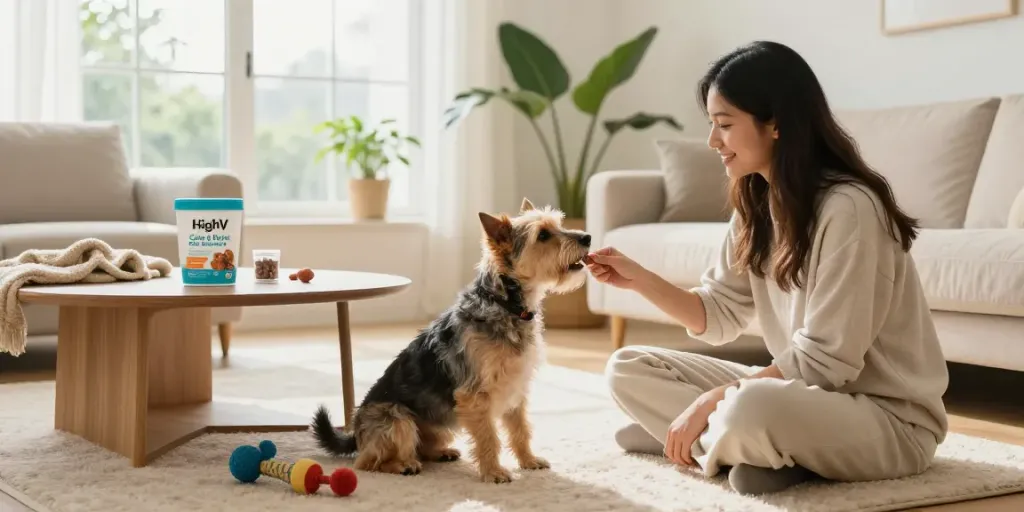
The efficacy of calming dog treats derives from their carefully chosen active ingredients. HighV Calm & Relax Dog Treats, for example, contain a blend including valerian root, lemon balm, and L-theanine, which are believed to promote relaxation and improve emotional balance.
Benefits of Valerian Root and Lemon Balm
Valerian root has long been noted for its calming effects in both dogs and humans. It promotes relaxation without inducing drowsiness, making it a popular choice for acute stress situations such as fireworks or car rides. Lemon balm, a member of the mint family, similarly helps soothe anxiety, making it an excellent companion ingredient for valerian. Together, these two botanicals create a synergistic effect that can help settle an anxious pet.
The Role of L-theanine in Mood Regulation
L-theanine is known for its calming properties often associated with green tea consumption. This amino acid can help to alleviate stress and promote relaxation without sedation, which is ideal for pets that need to stay alert while feeling more at ease. When paired with the other ingredients, L-theanine plays a crucial role in stabilizing mood and emotional responses.
Understanding the Use of Ashwagandha in Pet Supplements
Ashwagandha is an adaptogenic herb that helps the body adapt to stress. Its inclusion in calming dog treats caters to dogs who experience chronic anxiety rather than stress triggered by isolated incidents. This ingredient supports a steady emotional baseline over time, making it valuable for dogs with ongoing anxiety issues.
Feeding Guidelines for Optimal Results
For best results, it is essential to incorporate calming dog treats into your dog’s routine thoughtfully. Here's how to optimize their benefits.
Daily Routine for Calming Dog Treats
Routine is vital for dogs, and daily feeding of calming treats helps establish consistency. Feeding your dog the correct daily amount helps ensure they receive the nutritional support necessary for improved emotional balance over time.
Timing Before Stressful Events
For specific stressful situations, such as thunderstorms or vet visits, it's advisable to give the calming treat about one to two hours before the event. Timing can play a crucial role in how well your dog responds to the treatment.
Adjusting Dosage Based on Dog Size
Different sizes of dogs may require different dosages. A general guideline is to administer one chew for smaller breeds and adjust accordingly for larger dogs, as indicated in the feeding instructions. Always consult with a veterinarian to ensure appropriate dosing for your pet.
Safety and Suitability of Calming Dog Treats
While calming treats can support dogs in distress, ensuring their safety and applicability to your pet is essential.
Are Calming Treats Safe for All Dogs?
HighV Calm & Relax Dog Treats have been formulated to be safe for dogs of various breeds and ages, starting from 12 weeks old. However, it’s essential to ensure your pet is healthy and does not have any underlying medical conditions before introducing new supplements.
Potential Side Effects and Interactions
Most dogs tolerate calming treats well, with minimal side effects. Occasionally, some dogs may experience mild digestive changes, such as softer stools when first adjusted to the new supplement. Always monitor your pet's reaction, and consult your veterinarian for any symptoms that concern you.
Consulting with Your Veterinarian
Before introducing any calming supplement, especially if your dog is on medication or has health concerns, consultation with a veterinarian is strongly advised. This ensures that the calming treats will not interfere with other medications or exacerbate existing conditions.
Comparing Calming Dog Treats to Other Products
When selecting calming products for dogs, it’s helpful to compare options to find what best fits your dog's needs.
Calming Dog Treats vs. Other Brands
Calming treats vary significantly in formulation. Some treats may emphasize a singular ingredient, while others, like HighV Calm & Relax, combine multiple active ingredients at specific dosages. This distinct formulation may provide more comprehensive support for anxiety.
When to Choose a Different Product
If your dog does not respond positively to a calming treat after several weeks of consistent use, it may be time to consult with a veterinarian about alternative therapies or deeper behavioral interventions.
Long-term Dog Wellness Strategies
Calming treats should be part of a broader strategy for managing dog wellness. This includes regular exercise, mental stimulation, and a consistent routine to help mitigate stressors effectively.