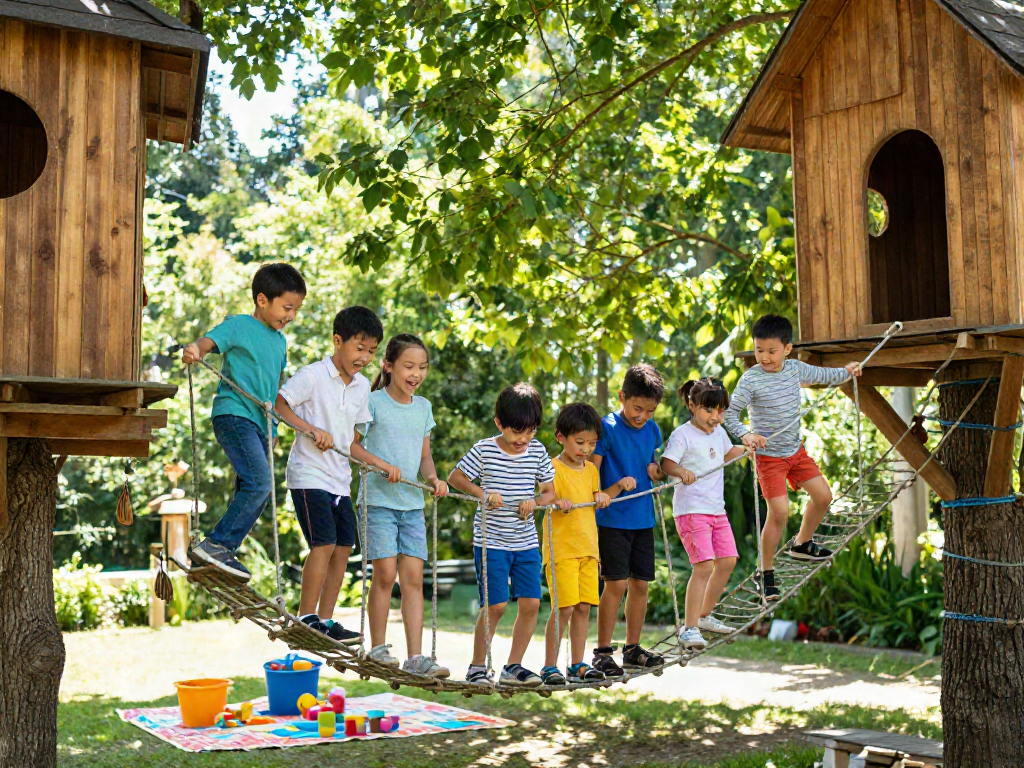
Understanding the Concept of Rope Bridges
A rope bridge is a fascinating and functional structure that combines artistry and engineering, primarily made from strong ropes and cables. These bridges have been used for centuries, primarily in mountainous and jungle regions, to connect various terrains. In recent years, they have gained popularity for both adventure activities and backyard play structures, fostering creativity and physical development. When exploring options, Rope Bridge solutions can transform ordinary outdoor spaces into extraordinary adventure zones.
What is a Rope Bridge?
A rope bridge, by definition, is a type of bridge that is constructed using ropes. These bridges can vary significantly in style, from the basic designs often associated with indigenous communities to modern engineered versions used in recreational settings. Typically, a rope bridge consists of the main suspension cables running across the span with supporting ropes or wires that form the walking surface.
Types of Rope Bridges Explained
Rope bridges can be categorized into several types, each suitable for different environments and purposes:
- Single Rope Bridge: Often seen in adventure courses, this type consists of a single rope for balance, requiring users to navigate carefully.
- Multi-Rope Bridge: A more stable variant featuring multiple ropes for walking surfaces, providing better balance and security.
- Suspension Rope Bridge: This is an advanced design using tension and structural integrity to span larger gaps, often seen in parks or tourist attractions.
- Fixed Rope Bridge: Unlike traditional designs, these bridges are permanently anchored in place and are often used to cross over rivers or steep valleys.
Historical Significance and Usage
Rope bridges have a rich history, originating in remote areas where they served as essential connectors between lands divided by rivers and chasms, especially in the Andes and Himalayas. They are often made from local materials, demonstrating ingenuity and adaptation to specific environmental conditions. In modern applications, rope bridges are frequently used in outdoor adventure parks, schools, and playgrounds to stimulate physical activity and creativity in children.
Benefits of Installing a Rope Bridge
The installation of a rope bridge offers multiple advantages, especially in residential or recreational areas. Whether in a park or backyard, these structures provide an engaging way to encourage movement and social interaction among children and adults alike.
Enhancing Outdoor Play for Children
Rope bridges are not just structures; they are gateways to adventure that enrich outdoor play experiences for children. They encourage kids to interact with their surroundings, fostering a sense of exploration and discovery. The physical act of crossing a rope bridge enhances their playtime, increasing engagement and providing hours of fun.
Encouraging Physical Activity and Coordination
Using a rope bridge requires balance and coordination, making it an excellent tool for physical development. As children navigate these structures, they build core strength, agility, and flexibility, essential skills that contribute to overall physical health. This natural form of exercise also plays a crucial role in reducing sedentary behaviour in younger generations.
Promoting Imaginative Play and Exploration
Rope bridges allow children to engage in imaginative play, transforming the simple act of crossing a bridge into an adventure. This imaginative aspect encourages creativity, as children might envision themselves as explorers, adventurers, or even heroes embarking on a quest. Such play is vital for cognitive development and problem-solving skills.
Designing Your Own Rope Bridge
Creating a rope bridge can be a rewarding project, whether for personal use or as part of a community space. Proper planning and consideration are key to ensuring both aesthetic appeal and safety.
Materials Needed for Construction
To build a rope bridge, you will need a range of materials:
- Rope: High-strength ropes, typically made from synthetic materials such as polyester, are preferred due to their durability and resistance to weather conditions.
- Anchor Points: Secure points to fasten the ropes, such as trees or sturdy posts, are essential for stability.
- Planks or Decking: For a walking surface, wooden planks or composite materials can be used, ensuring they are weather-resistant.
- Hardware: Various connectors, such as carabiners or shackles, help secure the ropes and maintain the structure's integrity.
Safety Considerations When Building
Safety should be the top priority when constructing a rope bridge. Here are several considerations:
- The bridge should be designed to accommodate the weight of multiple users.
- Regular inspections for wear and tear of materials are crucial.
- Building the bridge at an appropriate height to prevent injuries from falls.
- Including safety nets or soft landing surfaces beneath the bridge can reduce the risk of injury.
Step-by-Step Guide to Installation
Installing your rope bridge can be broken down into straightforward steps:
- Planning: Decide on the location and design of your bridge. Measure distances and consider environmental factors.
- Gather Materials: Collect all necessary materials as listed above.
- Secure Anchor Points: Attach anchor points securely to trees or posts, ensuring they are strong and stable.
- Install Ropes: Run the main rope across the span and secure it tightly at both ends. Add additional supporting ropes as needed for stability.
- Lay Down Walking Surface: Place planks or other materials on top of the ropes to create a walkway.
- Conduct Safety Checks: Once the bridge is built, thoroughly inspect it to ensure it is safe for use.
Maintenance and Safety of Rope Bridges
Regular maintenance is vital to prolong the lifespan and safety of your rope bridge. By maintaining your structure, you can ensure a safe and enjoyable experience for all users.
Regular Inspection and Upkeep
Implement a routine inspection schedule to check for any signs of wear, fraying ropes, or loose fittings. This proactive approach will help catch potential problems before they turn into safety hazards.
Common Issues and Solutions
Common issues with rope bridges include:
- Rope Wear: Replace any frayed or worn ropes immediately.
- Loose Hardware: Tighten any connectors or hardware that may have become loose over time.
- Weather Damage: Protect from elements by using weather-resistant materials and consider covering the bridge in harsh weather.
Ensuring Safety for All Users
To enhance safety for users, consider implementing the following measures:
- Set weight limits based on the bridge's design and materials.
- Establish rules for use to prevent overcrowding.
- Provide clear signage indicating safety guidelines and weight limits.
Future Trends in Rope Bridge Design
The landscape of rope bridge design is evolving, with innovative approaches that focus on improving safety, functionality, and environmental impact.
Innovative Materials and Techniques for 2026
As we look forward to 2026, advancements in materials technology are paving the way for stronger and lighter rope bridges. The use of composite materials that provide enhanced durability will likely become standard, as will the integration of modular designs allowing easier assembly and disassembly.
Incorporating Technology into Outdoor Play
Future rope bridges may also feature integrated technology, such as sensors that monitor structural integrity, wear, and user safety. Such innovations will provide real-time feedback, ensuring that users are safe while enjoying their outdoor adventures.
Environmental Considerations in Design
Modern rope bridge designs increasingly focus on sustainability. The use of eco-friendly materials and construction methods will become paramount, reducing the carbon footprint of building these structures. Additionally, designs will aim to blend seamlessly with natural environments, preserving wildlife and natural habitats.
What is a rope bridge called?
A rope bridge may also be referred to as a suspension bridge or a cable bridge, depending on its design and structure. These terms describe the way the bridge is anchored and the materials used in its construction.
How do you make a rope bridge?
To create a rope bridge, you will need to select appropriate anchor points, gather high-strength ropes, and secure them tightly across the designated span. Safety features and structural integrity are paramount during the construction process.
What type of rope is best for a rope bridge?
The best type of rope for constructing a rope bridge is typically a high-strength polyester rope, which offers excellent durability and weather resistance. Thickness, measured in diameter, also plays a significant role in ensuring the bridge can support the intended weight.
Rope bridge kids activities?
Activities involving rope bridges for kids can include obstacle courses, team-building exercises, or simply imaginative play where children create stories as they navigate the bridge. These activities promote physical health and social interaction.
Rope bridge safety tips?
Safety tips for using a rope bridge include ensuring supervision, setting clear rules for use, regularly inspecting the bridge for wear, and teaching children the proper way to navigate these structures safely.