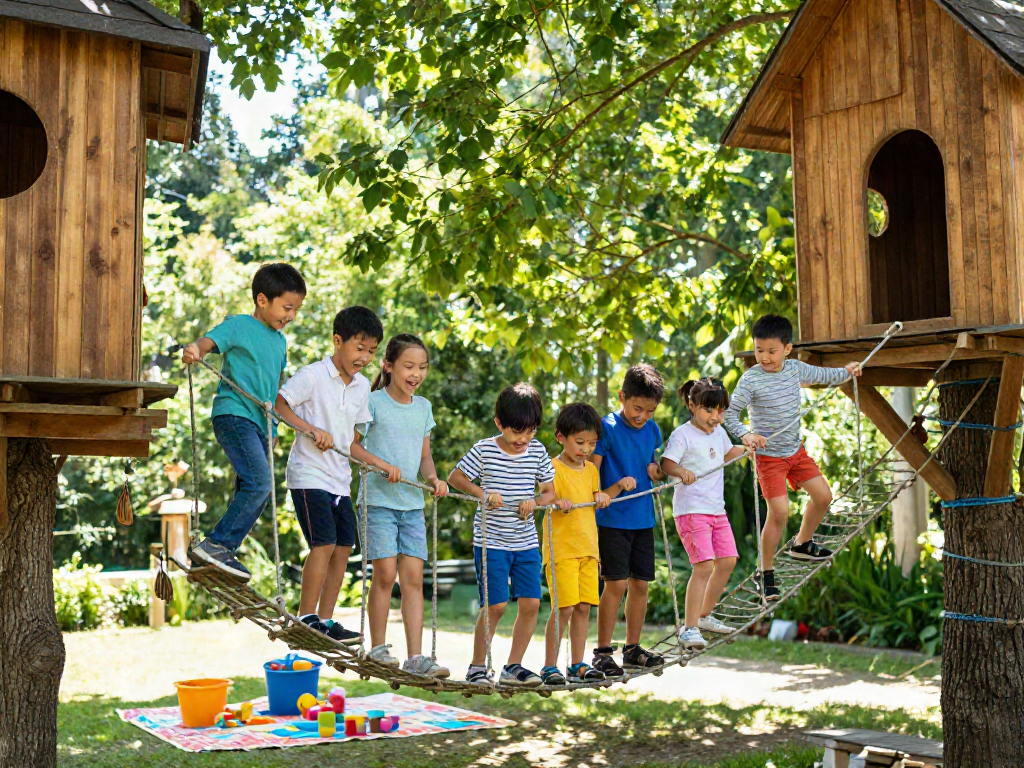
Understanding the Rope Bridge Concept
The concept of a rope bridge has fascinated both children and adults alike, serving not just as a fun adventure but also as a tool for developmental learning. A rope bridge can be defined as a suspension bridge constructed primarily with ropes, allowing for a unique way to traverse spaces—both real and imaginative. This ancient architectural technique, which dates back centuries, varies in complexity and design, presenting numerous opportunities for play and exploration. When exploring options, Rope Bridge designs provide comprehensive insights into integrating these structures into your backyard or play area.
What Is a Rope Bridge?
A rope bridge is a type of suspension bridge that relies on ropes or cables to support the walkway. Traditionally used in remote areas for crossing rivers or valleys, modern adaptations have made them popular in playgrounds and adventure parks. Unlike conventional bridges that often utilise rigid materials like steel or concrete, rope bridges offer flexibility and can be designed to fit various terrains and locations.
The Benefits of Outdoor Play For Children
Engaging with rope bridges and similar outdoor structures fosters an environment conducive to physical activity, problem-solving, and social interaction. Various studies have underscored the importance of outdoor play in child development, highlighting benefits such as enhanced motor skills, improved coordination, and greater confidence levels. Through activities like balancing on a rope bridge, children learn to assess risk, develop resilience, and cultivate teamwork skills.
Types of Rope Bridges and Their Uses
Rope bridges come in different styles, each serving unique purposes:
- Traditional Rope Bridges: Typically found in rural settings, these bridges are often constructed with natural materials and are ideal for crossing rivers.
- Playground Rope Bridges: Designed for children, these structures tend to be shorter and include safety features such as nets and handrails.
- Adventure Course Rope Bridges: Found in outdoor adventure parks, these often incorporate climbing elements, challenging the physical abilities of participants.
Choosing the Right Rope Bridge for Your Backyard
When selecting a rope bridge for your outdoor space, several factors should be considered to ensure safety, functionality, and enjoyment.
Factors to Consider When Selecting a Rope Bridge
Consider the following when selecting a rope bridge:
- Age Appropriateness: Ensure that the design and height of the bridge are suitable for the age of the children who will be using it.
- Space and Placement: Assess your yard to determine where the bridge will fit and how it will integrate with existing structures.
- Weight Capacity: Look for bridges with sufficient weight ratings to accommodate multiple children or adults.
Safety Guidelines for Rope Bridges
Safety is paramount when installing a rope bridge. Here are key guidelines to adhere to:
- Always supervise children while they play on the bridge.
- Ensure all components are installed correctly and checked regularly for wear and tear.
- Consider adding soft landing materials, such as mulch or grass, beneath the bridge to cushion falls.
Materials and Durability: What to Look For
The materials chosen for a rope bridge directly impact its durability and safety. Opt for high-quality, weather-resistant materials, such as:
- Polyester Ropes: Known for their strength and resistance to deterioration.
- Metal Components: Look for rust-proof fittings and connectors to ensure longevity.
- Wooden Planks: Use treated wood that can withstand outdoor conditions without splintering.
Installation and Maintenance Tips for Rope Bridges
Proper installation and ongoing maintenance are essential to keeping your rope bridge safe and functional for years to come.
Step-by-Step Installation Guide
Follow these steps for a successful rope bridge installation:
- Choose a flat, open area for installation.
- Measure and mark where the bridge will be anchored on each side.
- Install sturdy anchor points capable of supporting the bridge’s weight.
- Attach the ropes or cables to these points, ensuring they are taut.
- Secure the walking surface, whether it’s planks or netting, and perform a thorough safety check.
Keeping Your Rope Bridge Safe and Functional
Regular inspections and maintenance are crucial:
- Check ropes for fraying or wear.
- Ensure fasteners are tight and secure.
- Clean any debris or vegetation that may accumulate on the bridge.
Common Maintenance Mistakes to Avoid
Some frequent pitfalls include:
- Neglecting regular inspections can lead to unnoticed wear.
- Failing to replace worn components promptly may compromise safety.
- Ignoring weather conditions can weaken materials over time.
Innovative Ideas for Incorporating Rope Bridges into Your Outdoor Space
Rope bridges can enhance your outdoor play area significantly, transforming it into an adventure hub for children.
Designing a Fun Play Area Around Your Rope Bridge
Consider integrating other elements into your play area to provide variety and enhance imaginative play. Ideas include:
- Adding climbing walls or treehouses adjacent to the bridge.
- Incorporating slides and swings connected to the bridge system.
- Creating themed play zones, such as a jungle or pirate ship.
Combining Rope Bridges with Other Play Structures
Rope bridges can synergise beautifully with other structures:
- Link multiple bridges together to create a ‘bridge network’ that encourages exploration.
- Incorporate tunnels or crawl spaces beneath the bridge for an adventurous feel.
Creative Play Ideas Involving Your Rope Bridge
Encourage imaginative play with these ideas:
- Role-Playing Games: Let children pretend they are explorers crossing a dangerous ravine.
- Obstacle Courses: Use the bridge as part of a larger challenge that includes various physical activities.
Future Trends in Children's Outdoor Play Equipment
As we look to the future, several trends are emerging in the world of outdoor play equipment, particularly regarding rope bridges.
The Rise of Nature-Inspired Playgrounds
Modern playground designs are increasingly focusing on incorporating natural elements. Rope bridges fit seamlessly into these environments, allowing children to connect with nature while playing.
Technological Advances in Outdoor Play Equipment
The integration of smart technology into outdoor play areas is on the rise, with interactive elements that can enhance safety and engagement levels. Future designs may include safety sensors or apps that track playtime and activity levels.
Predictions for Backyard Play Trends in 2026 and Beyond
Expect a shift towards more modular and versatile play equipment that can be easily adapted as children grow. Rope bridges will likely remain a staple, encouraging adventurous play while promoting physical activity.
How Rope Bridges Contribute to Child Development
Rope bridges significantly contribute to various aspects of child development, such as:
- Physical Skills: Navigating a rope bridge enhances balance and coordination.
- Cognitive Development: Children learn spatial awareness and problem-solving when overcoming challenges.
- Social Skills: Playing on a rope bridge encourages teamwork and communication.