Understanding the Automatic Bag Palletizer Machine
The automatic bag palletizer machine has revolutionized the way modern businesses approach bagging and palletizing processes. As industries continue to evolve, particularly post-pandemic, the demand for efficient and streamlined operations has become paramount. This machine integrates cutting-edge technology with user-friendly interfaces, offering substantial improvements in productivity and efficiency. Companies that utilize sophisticated palletizing machines, such as the automatic bag palletizer machine, can manage a diverse range of bags efficiently, encompassing various sizes and materials, and significantly reduce time and labor costs.
What is an Automatic Bag Palletizer Machine?
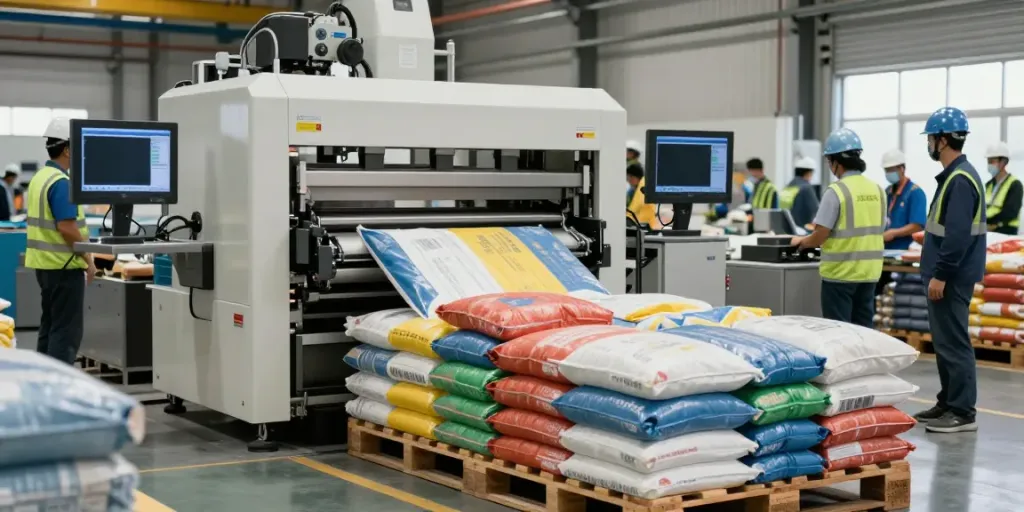
An automatic bag palletizer machine is an advanced industrial system designed to stack bags on pallets efficiently. These machines utilize robotic arms or mechanical equipment to pick, position, and stack bags executed along a predetermined configuration. With capabilities to handle different bag types—such as open-mouth, valve, and vacuum-sealed—the machine accommodates various industries from food and beverage to chemicals and pharmaceuticals. This automation not only minimizes the need for manual labor but also enhances the precision of stacking, leading to consistent and stable pallet loads.
Key Features and Benefits of Modern Palletizers
- High-Speed Operation: Modern palletizers can handle between 10 to 25 bags per minute, depending on the configuration and bag dimensions.
- Flexibility: They can be adjusted to accommodate varying bag sizes and stacking patterns, making them suitable for a diverse range of products.
- User-Friendly Interface: Most machines come equipped with intuitive controls and monitoring systems that simplify operation and maintenance.
- Space-Saving Design: Automated systems often have compact footprints compared to manual setups, optimizing the use of warehouse space.
- Improved Workplace Safety: Reducing manual handling lowers the risk of injury, supporting a safer working environment.
How Automatic Bag Palletizers Improve Efficiency
Efficiency is critical in today’s competitive market, and automatic bag palletizers play a crucial role in achieving this. By automating the palletizing process, businesses can significantly enhance throughput while maintaining high accuracy levels. The machine's ability to work continuously without fatigue also means operations can run smoothly without the delays associated with manual labor. The integration of automated systems can also lead to better inventory management, allowing for faster turnaround times and improved supply chain efficiency.
Challenges in Manual Palletizing
Common Pitfalls of Manual Bag Stacking
Despite its long-standing use, manual palletizing comes with inherent challenges. Common pitfalls include:
- Labor-Intensive: Manual stacking requires significant personnel, which can lead to higher labor costs and increased operational complexity.
- Inconsistent Quality: Variability in manual stacking can lead to unstable pallet loads that may result in product damage during transport.
- Increased Risk of Injury: Prolonged physical labor can lead to repetitive strain injuries, costing companies both in healthcare and reduced productivity.
- Time Inefficiencies: Manual processes are often slower, resulting in bottlenecks, especially during peak production times.
How Automation Solves Labor-Related Issues
Automation effectively addresses many labor-related issues associated with manual palletizing. By employing machines to handle the physical demands of stacking, companies can reallocate human resources to more critical tasks that require decision-making or creativity. This transition not only enhances overall productivity but also mitigates the risks of workplace injuries linked to repetitive manual tasks.
Overcoming Resistance to Automation in the Workplace
Resistance to automation is often fueled by fear of job loss and a perceived loss of control over production processes. To overcome this resistance, companies should engage in transparent communication, highlighting the benefits that automation brings, such as relieving employees from strenuous tasks, creating opportunities for skill development, and driving organizational growth. Implementing training programs can also empower employees to adapt to new technologies, positioning them not only as operators of machines but as integral contributors to the innovation process.
Choosing the Right Automatic Bag Palletizer Machine
Factors to Consider When Selecting Your Machine
When selecting an automatic bag palletizer machine, businesses should evaluate several critical factors:
- Bag Specifications: Assess the types, sizes, and weights of the bags to ensure the selected palletizer can accommodate these variations.
- Production Volume: Identify the required throughput and ensure the machine can meet or exceed these expectations.
- Floor Space: Consider the dimensions and layout of the workplace, choosing a model that fits within the existing workflow.
- Integration Capability: Ensure the machine can be seamlessly integrated into your existing production line for optimal efficiency.
Comparing Different Types of Bag Palletizers
Bag palletizers come in various configurations, including robotic and conventional stackers. Robotic palletizers offer flexibility and adaptability, ideal for changing production needs, while conventional models tend to be more straightforward but may lack the same level of versatility. A thorough comparison of the available options will help businesses select a system that aligns with their unique operational demands.
Evaluating Cost vs. Performance: What to Expect
Cost is always a consideration when investing in technology. While automatic bag palletizers may have a higher initial price tag compared to manual solutions, the long-term savings in labor, reduced downtime, and enhanced productivity often justify the investment. Businesses should conduct a cost-benefit analysis to evaluate the potential return on investment (ROI) over time.
Implementation and Best Practices
Step-by-Step Guide to Installing Your Bag Palletizer
Successful installation of an automatic bag palletizer typically follows a structured approach:
- Site Preparation: Ensure the area is clear and suitable for the machine's specifications.
- Equipment Installation: Follow the manufacturer's guidelines for optimal setup and configuration.
- Initial Testing: Conduct tests to confirm that the machine operates correctly and meets production requirements.
- Staff Training: Educate personnel on machine operation, maintenance, and troubleshooting.
- Continuous Monitoring: Regularly monitor operations and address any issues promptly to maintain efficiency.
Integrating Your Automatic Palletizer into Existing Workflow
Integration of an automatic palletizer into an existing workflow requires careful planning. It is essential to align the palletizer's output with downstream processes, such as packaging and shipping. Collaboration with engineering teams can facilitate smooth integration, ensuring minimal disruption during the transition phase. Adjusting the workflow as necessary will help maximize the potential of the new machinery.
Training Staff for Optimal Operation and Maintenance
Training is key to ensuring that staff can operate the automatic bag palletizer machine effectively and safely. Programs should cover operating procedures, troubleshooting techniques, and basic maintenance. By providing comprehensive training, companies can foster a competent workforce that is equipped to handle challenges associated with automated systems.
Future Trends in Bag Palletizing Technology
Emerging Technologies Shaping the Industry in 2026
The future of bag palletizing technology will be influenced by advancements in robotics, artificial intelligence, and machine learning. In 2026, we can expect to see even more refined automation processes that provide real-time data analysis, predictive maintenance capabilities, and enhanced adaptability to varying production demands. This evolution will further enhance efficiency and reliability in automated systems.
Environmental Considerations in Automatic Packaging
As sustainability becomes increasingly important, the palletizing industry will need to adapt. Future bag palletizers are likely to feature eco-friendly designs and materials, as well as energy-efficient technologies. Companies may also pursue opportunities to minimize waste throughout the packaging and palletizing process, aligning with global sustainability goals.
How Data Analytics Enhances Palletizer Performance
Data analytics is set to play a critical role in optimizing palletizer performance. By leveraging data gathered from machine operations, businesses can gain valuable insights into productivity patterns, equipment health, and maintenance needs. This information can be used to refine processes, anticipate downtimes, and inform decision-making, ultimately leading to improved performance and efficiency.
What are the benefits of using an automatic bag palletizer machine?
Utilizing an automatic bag palletizer machine reduces labor costs, improves efficiency, enhances pallet quality, and minimizes the risk of workplace injuries. These advantages contribute to a more streamlined operation with higher overall productivity.
How much does an automatic bag palletizer machine cost?
The cost of an automatic bag palletizer machine varies depending on factors such as capacity, complexity, and customization options. Potential buyers should conduct a thorough cost analysis to determine the best options for their specific needs.
What types of bags can be handled by an automatic palletizer?
Automatic palletizers are designed to handle a wide variety of bags. This includes open-mouth bags, valve bags, and multi-wall bags, accommodating various industries and products.
Can an automatic bag palletizer improve workplace safety?
Yes, by minimizing the need for manual handling, an automatic bag palletizer machine reduces the risk of injuries, creating a safer work environment while enhancing operational efficiency.
What maintenance is required for an automatic bag palletizer machine?
Regular maintenance for an automatic bag palletizer includes inspection of mechanical components, lubrication of moving parts, and software updates to ensure optimal performance. Following the manufacturer's guidelines is crucial for long-term reliability.