The Evolution of Precision CNC Machining Suppliers
Since the inception of CNC (Computer Numerical Control) machining, the landscape of precision manufacturing has undergone significant transformations. As businesses increasingly rely on high-quality, custom parts, the demand for precision cnc machining supplier services has surged. This article delves into the evolution of CNC machining suppliers from their roots in the early 2000s to the present day, outlining key developments that have shaped the market.
Historical Overview and Market Growth
The journey of CNC machining began in the 1950s with the introduction of automatic machine tools. However, it wasn’t until the early 2000s that CNC technology became widely accessible. This marked the beginning of a new era in manufacturing, where precision and efficiency became paramount. Suppliers emerged to offer specialized services, catering to diverse industries including aerospace, automotive, and medical sectors.
By 2003, when Honscn began its operations, the CNC machining industry witnessed a boom driven by the rapid technological advancements and the globalization of manufacturing. The growth trajectory continued, with a compound annual growth rate (CAGR) of nearly 5% expected through 2026, as businesses look for reliable suppliers capable of delivering precision parts with quicker turnaround times and superior quality.
Key Technological Advancements in 2026
As of 2026, several technological advancements have dramatically altered the CNC machining sector. The integration of artificial intelligence (AI) and machine learning into CNC systems has optimized production processes, enabling predictive maintenance and enhanced quality control. Moreover, the adoption of Industry 4.0 principles, including the Internet of Things (IoT), has facilitated real-time monitoring of machining operations, allowing suppliers to streamline workflows and reduce downtime.
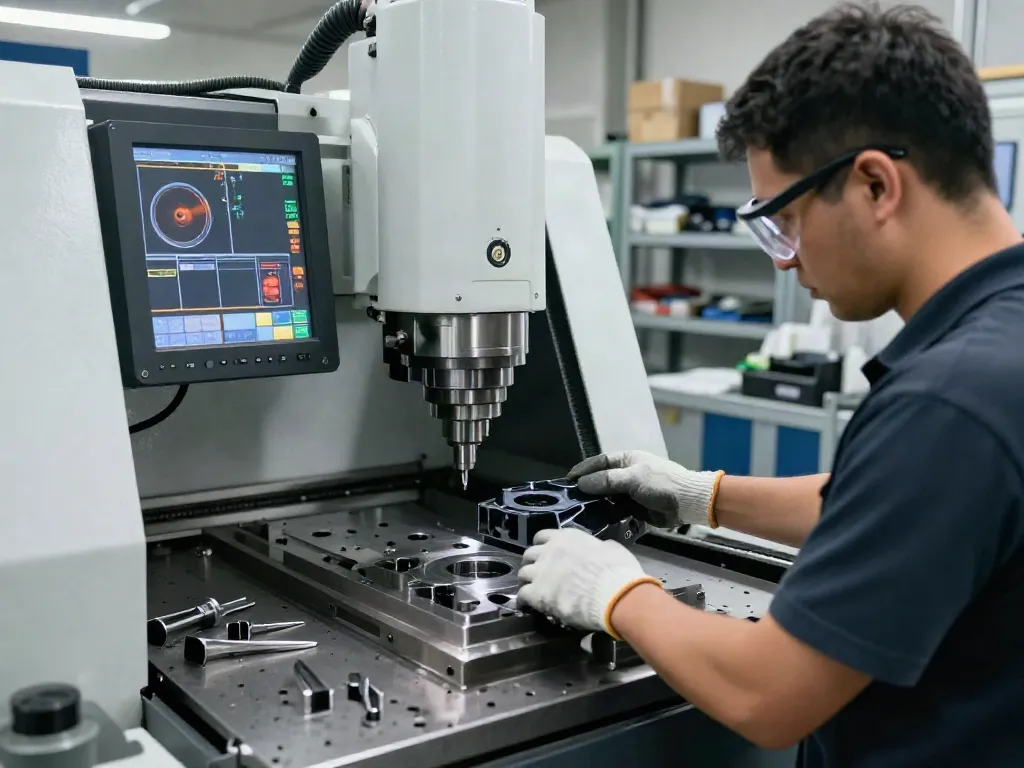
Additionally, the evolution of CNC machines towards multi-axis capabilities has enabled manufacturers to produce complex parts that were previously difficult or impossible to create. This multi-faceted approach not only increases precision but also expands the range of applications for CNC machined parts, making them suitable for industries such as renewable energy and advanced electronics.
Changes in Customer Demands and Preferences
Customer expectations have also evolved significantly, with an increasing emphasis on customization, quality, and speed. Today's clients demand rapid prototyping and short lead times, pushing suppliers to adopt agile manufacturing practices. Moreover, sustainability has become a critical factor, with many companies seeking suppliers that implement eco-friendly practices in their operations, including waste reduction and energy-efficient machining techniques.
As a result, suppliers must adapt to these changing preferences to remain competitive in the marketplace. Offering personalized services and maintaining transparent communication throughout the manufacturing process are crucial for building long-term customer relationships and trust.
Understanding Precision and Quality in CNC Machining
When it comes to CNC machining, precision and quality are non-negotiable. Understanding what constitutes precision in machining and how quality is measured can help businesses make informed decisions when selecting their suppliers.
Defining Precision in CNC Machining
Precision in CNC machining refers to the accuracy with which a part is manufactured according to its specifications. This can encompass various factors, including dimensional tolerances, surface finish, and repeatability of production runs. A precision CNC machining supplier should provide detailed documentation of their capabilities, including certifications and quality assurance processes, to ensure that they meet the required standards.
Quality Assurance Practices in 2026
To ensure high-quality output, CNC machining suppliers in 2026 are increasingly implementing robust quality assurance practices. This includes the use of statistical process control (SPC) techniques, which enable manufacturers to monitor production processes in real time and identify potential issues before they impact quality. Additionally, suppliers are investing in advanced measurement tools and equipment, such as coordinate measuring machines (CMM), to verify the precision of machined parts.
Common Misconceptions About Precision CNC Parts
There are several misconceptions about precision CNC parts that can lead to confusion among potential customers. One common myth is that higher precision always results in higher costs. While precision improvements can incur additional expenses, a reputable supplier often finds ways to balance cost with quality through efficient processes and technology. Another misconception is that all CNC machining facilities are alike; in reality, capabilities and technologies vary significantly, making supplier selection critical.
Challenges Facing CNC Machining Services Today
Despite its growth and advancements, the CNC machining industry faces several challenges that impact service delivery and customer satisfaction.
Supply Chain Issues Impacting Production
The COVID-19 pandemic revealed vulnerabilities in global supply chains, affecting material availability and leading to increased lead times. Suppliers must navigate these challenges by developing strategic partnerships with multiple vendors and investing in inventory management technologies to mitigate disruptions. In addition, the focus on local sourcing is gaining traction as companies seek to reduce dependency on overseas suppliers.
Labor Shortages and Skill Gaps in the Industry
A skilled workforce is essential for maintaining high standards in CNC machining. However, the industry faces significant labor shortages and skill gaps, as fewer young professionals are entering the field. To combat this, suppliers are increasingly investing in training programs and apprenticeships, as well as collaborating with educational institutions to develop curricula that align with industry needs.
Cost Management Strategies for CNC Machining Suppliers
Effective cost management is crucial for CNC machining suppliers aiming to stay competitive. Implementing lean manufacturing techniques can help eliminate waste and improve operational efficiency, while technology investments can automate labor-intensive processes. Furthermore, regularly reviewing pricing structures and supply chain agreements ensures that suppliers remain financially viable without compromising quality.
Best Practices for Choosing a CNC Machining Supplier
Choosing the right CNC machining supplier can significantly impact a project’s success. Here are some best practices to consider.
Evaluating Supplier Capabilities and Technology
When selecting a supplier, it’s essential to assess their capabilities and technology. Requesting detailed information on machinery, software, and manufacturing processes can provide insight into their ability to meet your specific requirements. Additionally, examining case studies or client testimonials can help gauge their track record in similar projects.
Importance of Customer Support and Communication
Effective communication is vital in any supplier relationship. A reliable CNC machining supplier should provide clear lines of communication and transparent updates during the manufacturing process. This ensures that any issues are addressed promptly, ultimately leading to better project outcomes and customer satisfaction.
Case Studies: Successful Supplier Relationships
Learning from successful case studies can provide valuable insights into effective supplier relationships. For instance, companies that prioritized collaboration and regular communication with their CNC machining suppliers often reported higher satisfaction rates. These partnerships led to innovations in design and production methods, ultimately enhancing the quality and efficiency of the final products.
Future Trends in CNC Machining and Supplier Dynamics
As technology continues to evolve, so too does the CNC machining landscape.
Emerging Technologies Shaping the Future
Looking ahead, the rise of additive manufacturing and hybrid machining methods is set to revolutionize precision CNC machining. These technologies enable the creation of complex geometries that traditional subtractive methods cannot achieve. Additionally, advancements in materials science, such as the development of lightweight composites, will further expand the capabilities of CNC machining.
Industry Predictions for 2027 and Beyond
Industry predictions for 2027 suggest that the CNC machining market will continue to grow, driven by increasing demands for customized solutions and the integration of advanced technologies. The push for sustainability will also shape future supplier dynamics, with companies seeking eco-friendly practices in manufacturing.
Expert Insights: Preparing for Future Challenges
Experts recommend that businesses stay proactive by adopting new technologies and fostering continuous learning within their workforce. Networking within industry associations can also provide valuable insights into best practices and emerging trends, ensuring that companies remain competitive in an ever-evolving market.
What are the benefits of precision CNC machining?
Precision CNC machining offers numerous benefits, including enhanced accuracy, reduced material waste, and the ability to manufacture complex shapes that are crucial in modern industries. This reliability in producing high-quality components leads to lower production costs and improved overall efficiency.
How do I choose the right CNC machining supplier?
Selecting the right CNC machining supplier involves evaluating their capabilities, technology, and customer service. It is crucial to ensure that they can meet your specific requirements and that they have a proven track record in delivering high-quality products.
What technological advancements are impacting CNC machining?
Significant advancements impacting CNC machining include the integration of AI, IoT, and multi-axis machining capabilities. These innovations enhance operational efficiency, precision, and the ability to deliver custom solutions quickly.
What industries benefit from precision CNC machining?
Precision CNC machining is vital across multiple industries, including aerospace, automotive, medical devices, and electronics. Each sector relies on the accuracy and quality provided by CNC machining to manufacture essential components.
How can CNC suppliers ensure quality control?
CNC suppliers can ensure quality control through robust quality assurance practices, including the use of advanced measurement technologies and continuous monitoring of production processes. Implementing industry standards and certifications further reinforces their commitment to quality.