Understanding Containerized Water Treatment Systems
In an era where water scarcity and quality issues pose serious challenges, the demand for innovative water treatment solutions has surged. Containerized water treatment systems represent a groundbreaking approach, offering flexibility and efficiency that traditional plants cannot match. These modular systems are designed to deliver purified water in various contexts, from municipal needs to industrial applications, adapting seamlessly to changes in demand and location. water treatment systems Supplier play a crucial role in providing these advanced solutions, ensuring that high-quality water is accessible, regardless of the incoming water source's quality.
What Are Water Treatment Systems?
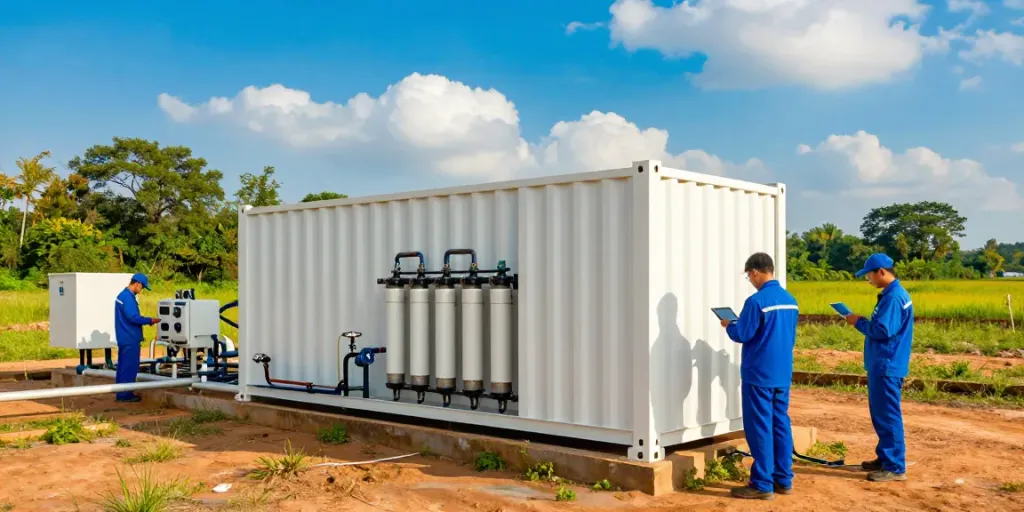
Water treatment systems are processes designed to make water suitable for a specific purpose, such as drinking, industrial use, or irrigation. These systems can vary widely in size, complexity, and technology employed. Containerized water treatment systems, however, stand out due to their modular design and versatility. Unlike traditional systems that often require extensive civil engineering and fixed infrastructure, containerized systems are prefabricated and can be deployed quickly and efficiently, making them ideal for urgent projects or temporary needs.
Benefits of Modular Design
- Quick Deployment: Containerized systems can be set up and operational within a matter of days, significantly reducing the time from planning to production.
- Scalability: As demand increases, additional modules can be added seamlessly without disrupting existing operations.
- Cost Efficiency: The reduction in construction time translates to lower labor costs and quicker returns on investment.
- Adaptability: These systems can be easily relocated or repurposed, providing flexibility in dynamic environments.
Key Features of QILEE Systems
QILEE’s containerized water treatment systems are engineered for reliability and have a track record of high-purity water production. Key features include:
- Modular RO and RO-EDI Integration: Ensures high-quality water suitable for pharmaceuticals, laboratories, and other applications requiring stringent purity standards.
- Intelligent Control Systems: Real-time monitoring and remote operations enhance quality control and operational efficiency.
- Resource Recycling Support: Integration capabilities for reclaimed water modules, promoting sustainability and resource efficiency.
Comparison with Traditional Water Treatment Systems
The differences between containerized and traditional water treatment systems are profound and can significantly impact operational efficiency. Understanding these differences can help stakeholders make informed decisions based on their specific needs.
Time and Cost Efficiency
Containerized systems can typically be deployed in 3-7 days, while traditional systems may require 3-6 months for on-site construction. This reduces the overall cycle time by up to 60%, allowing businesses to respond swiftly to water supply challenges. Additionally, the costs associated with labor and materials are minimized due to the prefabricated nature of containerized solutions.
Space Utilization and Installation Ease
One of the most significant advantages of containerized systems is their compact size. These systems require significantly less space—approximately 50% less than traditional systems—making them ideal for urban settings where land is at a premium. Furthermore, installation is straightforward, requiring only a flat surface for placement, which minimizes site preparation and civil engineering challenges.
Quality Control and Monitoring Capabilities
Quality assurance is paramount in water treatment. QILEE’s systems come equipped with advanced intelligent control systems that facilitate real-time monitoring, ensuring consistent water quality. In contrast, traditional systems often depend on manual operations with varying quality due to on-site construction complexities. Automated monitoring improves the consistency of water treatment, especially important in critical applications like pharmaceuticals and food production.
Critical Success Factors for Choosing a Supplier
Choosing the right supplier for water treatment systems is crucial in ensuring the success of your project. Below are key factors to consider:
Assessing Quality and Reliability
When evaluating potential suppliers, it's essential to assess their reputation for delivering high-quality systems reliably. Look for manufacturers with proven track records and customer testimonials that speak to their product performance and durability.
Understanding Customization Options
Every water treatment scenario is unique. Work with suppliers who can offer customized solutions tailored to your specific requirements, including water source quality, desired output, and operational scale.
Importance of After-sales Support
Post-installation support is vital for long-term operational success. Choose suppliers that provide robust after-sales services, including maintenance, troubleshooting, and training, to ensure that your water treatment system continues to function effectively over its lifecycle.
Innovations in Water Treatment Technology
As the industry evolves, new technologies are shaping the future of water treatment. Staying abreast of these trends is critical for businesses aiming to implement effective solutions.
Emerging Trends for 2026
Looking ahead, several trends are expected to dominate the water treatment sector by 2026:
- Increased Use of AI: Artificial intelligence will play a significant role in optimizing treatment processes and predictive maintenance.
- Sustainable Practices: There is a growing emphasis on eco-friendly technologies and practices to minimize environmental impact.
- Smart Water Management: Integrated systems that incorporate IoT technology will enhance monitoring and control, leading to greater operational efficiencies.
Integration of IoT in Water Treatment Systems
The integration of Internet of Things (IoT) technology into water treatment systems allows for advanced data collection and analysis. This connectivity enables remote monitoring of system performance, predictive maintenance scheduling, and real-time adjustments to treatment processes, ultimately leading to enhanced efficiency and reduced operational costs.
Recycling and Reusability Features
As water scarcity becomes an increasingly pressing issue, systems that support recycling and reusability are gaining traction. QILEE’s containerized systems can incorporate reclaimed water reuse modules, achieving recycling rates up to 80%. This capability not only conserves water resources but also reduces discharge waste significantly.
Real-world Applications and Case Studies
Containerized water treatment systems have been successfully deployed globally in various applications, showcasing their versatility and effectiveness.
Municipal Water Supply Solutions
Many municipalities have turned to containerized systems to enhance their water supply capabilities. They provide a rapid solution for communities facing water shortages or contamination issues, offering a reliable source of clean drinking water in as little as a week.
Industrial Applications of Containerized Systems
Industries such as pharmaceuticals and food processing require high-purity water for their operations. Containerized systems give these sectors the ability to produce tailored water solutions on-site, reducing the risks associated with transportation and contamination.
Successful Remote Deployments
Remote areas often lack access to clean water sources. Containerized water treatment systems can be deployed in these regions, providing essential resources for communities and enabling development projects to proceed without delay.
How Can Containerized Water Treatment Systems Reduce Waste?
Containerized systems are designed with sustainability in mind. By promoting resource recycling and utilizing reclaimed water, they help minimize waste and conserve valuable water resources, addressing both operational and environmental concerns.
What are the Long-term Benefits of Using QILEE Systems?
Investing in QILEE’s containerized systems ensures long-term benefits, including cost savings from reduced water procurement and operational efficiencies, along with the ability to quickly adapt to changing water demands.
How Do Containerized Systems Compare to Traditional Treatment Options?
Containerized systems outpace traditional options in multiple areas such as deployment speed, cost efficiency, and adaptability. Their modular design and intelligent control capabilities offer a level of performance and flexibility rarely matched by fixed infrastructure setups.
What Factors Should Businesses Consider When Choosing a Supplier?
When selecting a supplier, businesses should consider the supplier's experience in the industry, the quality and reliability of their systems, customization options, and their commitment to after-sales support to ensure a successful implementation.