Understanding the Role of Electrical Components Manufacturers
Electrical components are the building blocks of today’s technology-driven world, supporting a vast range of applications from consumer electronics to industrial automation. An Electrical components manufacturer plays a pivotal role in ensuring that these components meet stringent quality and safety standards. By providing reliable and efficient products, manufacturers help to drive innovation and maintain the operational integrity of devices across multiple sectors.
What is an Electrical Components Manufacturer?
An electrical components manufacturer is a specialized company that designs, produces, and tests various electronic components essential for the functioning of electrical devices. These manufacturers cater to diverse industries, including automotive, telecommunications, medical devices, and consumer electronics, providing products such as connectors, switches, circuit boards, and power supplies. The role of these manufacturers extends beyond mere production; they also ensure compliance with safety regulations and certifications, which are crucial in today's market.
Key Products Offered by Leading Manufacturers
Leading electrical components manufacturers offer a comprehensive range of products tailored to meet specific industry requirements. Key products include:
- IEC Connectors: These are used widely in power applications to ensure safe and efficient connections.
- Electromechanical Switches: Essential for controlling electrical circuits, providing options for both manual and automated control.
- Relay Sockets: Connecting relays to circuit boards while maintaining safety standards.
- Power Cords: Offering a variety of connectors to suit different regional and application-specific needs.
- Wire Harnesses: Providing organized electrical connections for assembly and operational reliability.
Importance of Certifications in Electrical Components
Certifications are critical in the electrical components industry as they verify that products meet specific safety and performance standards. Manufacturers often seek certifications such as UL, CE, and RoHS to demonstrate compliance with international regulations. These certifications not only enhance product credibility but also mitigate risks associated with non-compliance, making them invaluable in maintaining customer trust and expanding into new markets.
Evaluating Manufacturers: Key Factors to Consider
Quality Assurance Processes and Standards
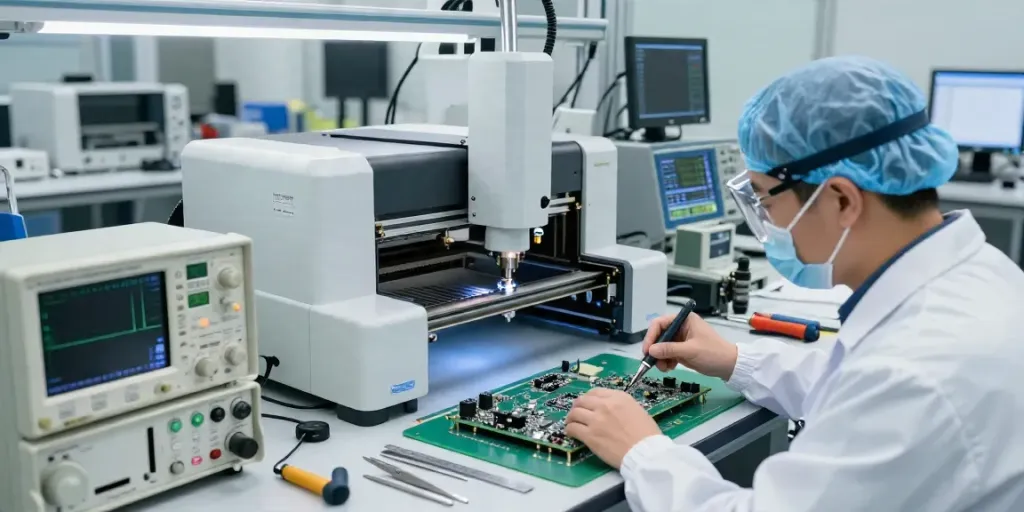
Quality assurance is a cornerstone of successful electrical components manufacturing. Effective manufacturers implement rigorous testing protocols throughout their production processes to guarantee that all products meet stringent quality standards. This includes in-process inspections, final product testing, and adherence to international quality frameworks such as ISO 9001.
Customization and Engineering Capabilities
In an increasingly competitive market, the ability to provide customized solutions is a significant advantage. Leading manufacturers often employ in-house engineering teams that facilitate the design, prototyping, and production of tailored products to meet unique client specifications. This capability not only allows for greater flexibility but also fosters innovation as manufacturers adapt to changing market demands.
Global Supply Chain and Delivery Efficiency
A robust global supply chain is essential for manufacturers to remain competitive. Efficient logistics and distribution networks enable manufacturers to deliver products swiftly to various international markets. Evaluating a manufacturer’s supply chain capabilities, including their logistics partners and shipping processes, can provide insights into their reliability and capacity to meet delivery deadlines.
Tackling Common Challenges in the Electrical Components Industry
Quality Control Issues and Their Impact
Quality control is paramount in the electrical components sector, where defects can lead to significant failures in end products. Manufacturers must implement strong quality assurance practices to mitigate risks and ensure that every component produced meets high safety and reliability standards. Neglecting quality can lead to costly recalls and a damaged reputation, making it vital for manufacturers to prioritize quality control.
Meeting Regulatory Compliance in Different Regions
As electrical components are distributed globally, manufacturers face the challenge of complying with diverse regulatory requirements. Understanding and meeting these various standards can be complex, but it is essential for accessing different markets. Manufacturers often engage with compliance experts to navigate local regulations effectively.
Staying Ahead of Technological Changes
The rapid evolution of technology brings both opportunities and challenges for electrical components manufacturers. Staying ahead of technological advancements, such as the integration of smart technologies and automation solutions, is critical. Manufacturers must invest in research and development to innovate continuously and keep pace with emerging trends.
Leveraging Industry Solutions for Competitive Advantage
Integrating Advanced Manufacturing Technologies
Advanced manufacturing technologies, such as automation, AI, and IoT, are transforming the electrical components industry. Manufacturers integrating these technologies can optimize their production processes, enhance efficiency, and reduce costs. This integration allows for real-time monitoring and adjustments, ensuring consistent quality and faster turnaround times.
Custom Engineering Solutions for Unique Needs
Offering custom engineering solutions is vital in differentiating a manufacturer from its competitors. By working closely with clients to understand their specific needs, manufacturers can provide bespoke products that deliver added value. This approach not only fosters stronger customer relationships but also enhances product performance in unique applications.
Collaboration with Cooperative Enterprises
Collaboration with other enterprises, including suppliers and technology partners, can provide electrical components manufacturers with valuable insights and resources. Forming strategic alliances can amplify innovation and create synergies that lead to improved products and services, contributing to overall business growth.
The Future of Electrical Components Manufacturing in 2026 and Beyond
Emerging Trends and Innovations
As we move toward 2026, several trends are expected to shape the future of the electrical components manufacturing industry. Innovations in sustainability, such as eco-friendly materials and energy-efficient production processes, will likely become more prominent. Additionally, the increasing demand for smart devices and applications will require manufacturers to innovate continually and adapt their offerings accordingly.
Impact of Sustainability on Manufacturing Practices
Sustainability is becoming a critical focus for manufacturers as consumers and regulatory bodies alike emphasize the importance of environmentally friendly practices. Future manufacturing processes will need to prioritize sustainability, incorporating practices that reduce waste, enhance energy efficiency, and utilize recyclable materials in production.
Future-Proofing Your Supply Chain Strategies
To remain competitive, manufacturers must develop agile supply chain strategies that can adapt to unforeseen circumstances, such as shifts in demand or global disruptions. This involves leveraging data analytics for better forecasting, diversifying supplier bases, and investing in technologies that enhance supply chain visibility and responsiveness.
What are the top electrical components manufacturers?
Identifying the top electrical components manufacturers often involves evaluating their market share, product portfolio, and reputation within the industry. Leading companies typically excel in quality, innovation, and customer service, positioning themselves as trusted partners in the supply chain.
How do electrical components manufacturers ensure quality?
Manufacturers ensure quality through rigorous testing, adherence to international standards, and continuous improvement processes. Implementing quality management systems and engaging in regular audits helps maintain high standards across all stages of production.
What certifications should electrical components have?
Essential certifications for electrical components include UL, CE, RoHS, and REACH. These certifications demonstrate compliance with global safety and environmental standards, reassuring customers of the reliability and safety of the products they purchase.
How can manufacturers support custom engineering?
Manufacturers can support custom engineering by providing dedicated engineering teams that collaborate with clients to develop tailored solutions. This includes offering design services, prototyping, and flexible manufacturing capabilities to meet unique specifications.
What trends are shaping the electrical components industry?
Key trends shaping the electrical components industry include the rise of automation, the demand for sustainable products, and advancements in smart technology integration. These trends emphasize the need for manufacturers to remain adaptable and continuously innovate their product offerings.