Understanding the Glass Cutting Machine Market
The glass cutting machine industry has experienced significant growth over the past decade, driven by advancements in technology, increasing demand for precision in glass processing, and the need for sustainable manufacturing practices. As industries such as construction, automotive, and electronics expand, the role of a glass cutting machine manufacturer becomes vital in providing efficient solutions tailored to specific applications. This article explores various aspects of the glass cutting machine market, from current trends and innovations to best practices for selecting and utilizing these machines effectively.
The Role of Glass Cutting Machine Manufacturers
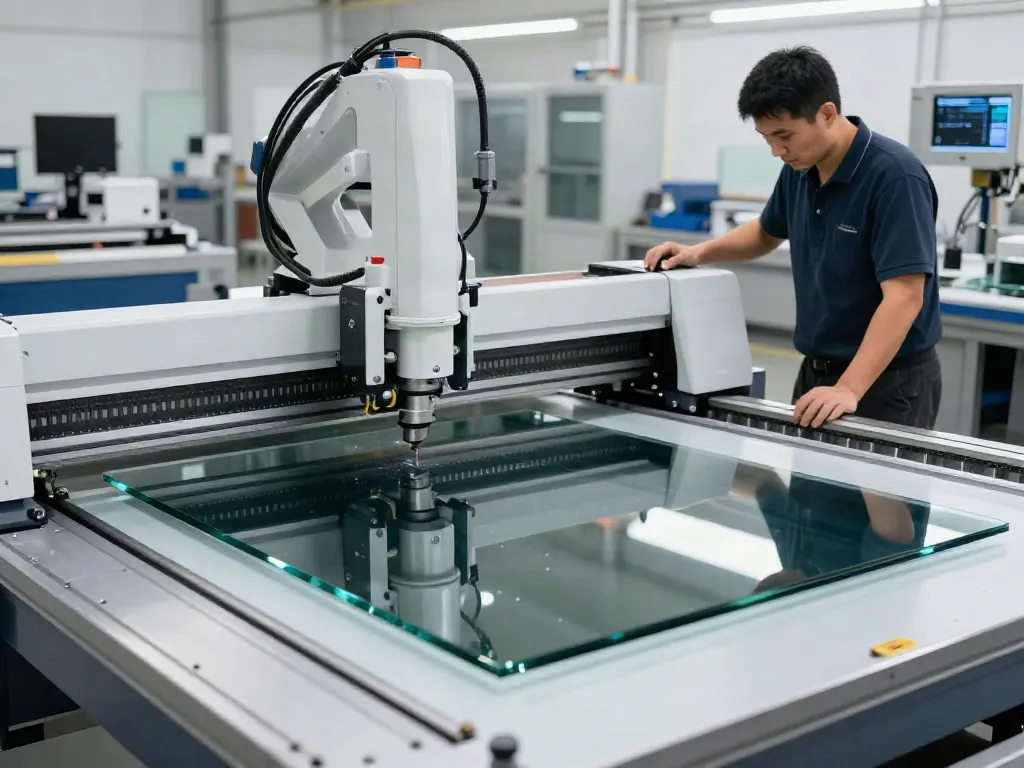
Glass cutting machine manufacturers play a critical role in the manufacturing process by providing the necessary equipment that allows glass to be cut with precision and efficiency. These machines are essential for producing high-quality glass products that meet industry standards. Manufacturers study market needs and consistently innovate to improve machine performance, durability, and user-friendliness. Whether it’s CNC machines, manual cutters, or automated systems, the options available cater to diverse requirements across different sectors.
Current Trends in Glass Cutting Technologies
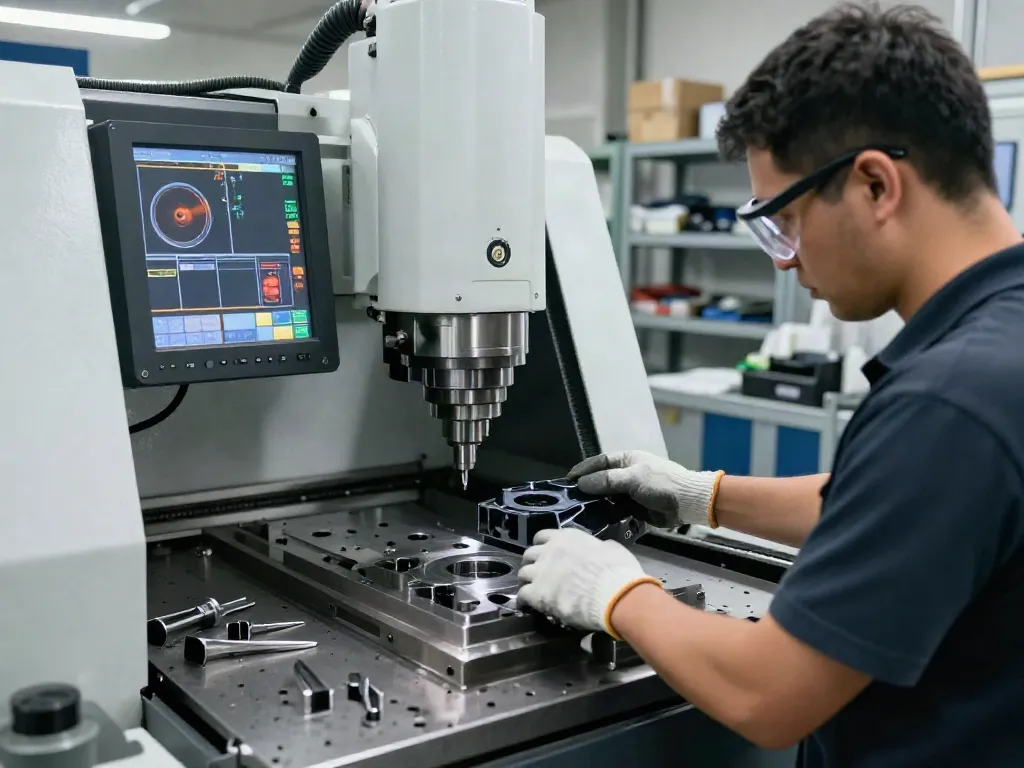
Recent trends in glass cutting technology focus on automation, efficiency, and sustainability. The integration of CNC (Computer Numerical Control) technology allows for greater precision and repeatability in cuts, reducing waste and increasing productivity. Automation is transforming the industry by streamlining workflows and minimizing human error. Additionally, manufacturers are prioritizing eco-friendly practices, like using energy-efficient machinery and sourcing materials sustainably to appeal to environmentally conscious consumers.
Market Size and Growth Prospects for 2026
The glass cutting machine market is projected to continue its upward trajectory, with an estimated growth rate of 5.6% CAGR from 2022 to 2026. Key drivers include increasing urbanization, rising demand for architectural glass, and innovative applications in various industries. By 2026, the market is expected to be valued significantly higher, bolstered by advancements in cutting technology and an expanding customer base.
Choosing the Right Glass Cutting Machine
Selecting the ideal glass cutting machine can be a daunting task, given the variety of options available. Businesses must assess their specific needs, production volume, and the types of glass they work with. Before purchasing, it’s essential to consider various factors that influence the efficiency and performance of the machine.
Factors to Consider When Selecting a Machine
Key factors to evaluate when choosing a glass cutting machine include:
- Type of Glass: Different machines cater to specific types of glass—tempered, laminated, or stained glass.
- Cutting Speed: The required speed will depend on the production scale and deadlines.
- Budget: Determine the financial investment needed while accounting for potential long-term savings.
- Maintenance: Assess the ease of maintenance and availability of replacement parts.
- Technological Features: Look for machines with advanced features such as CNC technology, which can enhance precision and repeatability.
Types of Glass Cutting Machines Available
There are several types of glass cutting machines available in the market:
- Manual Glass Cutters: Ideal for small-scale operations and hobbyists.
- CNC Glass Cutting Machines: Preferred for high-volume production with accurate and complex cuts.
- Automated Cutting Systems: Systems that integrate multiple machines for a seamless workflow.
- Water Jet Cutting Machines: Utilize water pressure for intricate designs and precise cuts.
Essential Features for Efficiency and Precision
When evaluating glass cutting machines, consider the following essential features to boost productivity:
- Software Compatibility: Look for machines that can integrate with design software to facilitate easier workflow.
- Cutting Head Movement: Machines with multi-directional cutting heads increase flexibility and creativity in designs.
- Precision Sensors: Enhance cutting accuracy and reduce the risk of errors.
- Material Handling Systems: Automated loading and unloading can significantly enhance overall production efficiency.
Best Practices for Glass Cutting Operations
Implementing best practices in glass cutting operations can ensure safety, efficiency, and quality output. Establishing a systematic approach also enhances team productivity and equipment longevity.
Maintaining Safety Standards in the Workshop
Safety is paramount in glass cutting operations. Ensure that all employees are trained in handling glass safely and are aware of emergency procedures. Utilize personal protective equipment (PPE) like gloves and goggles, and maintain clear pathways to prevent accidents. Regular safety audits can help identify potential hazards and reinforce best practices within the workshop.
Workforce Training and Skill Development
Continuous training programs for employees are essential for maintaining high standards of productivity and safety. Updating skills related to machine operation, maintenance procedures, and safety protocols can lead to improved workflow and employee confidence. Encourage a culture of learning and development to foster a skilled workforce ready for evolving industry demands.
Regular Maintenance and Troubleshooting Tips
Regular maintenance is critical for ensuring the longevity and efficiency of glass cutting machines. Implement a routine maintenance schedule that includes inspecting cutting blades, cleaning machinery, and checking software updates. Common troubleshooting tips include:
- Regularly checking alignment and calibration of cutting tools.
- Monitoring for wear and tear on moving parts.
- Keeping the workspace clean to avoid contamination of materials.
Case Studies: Successful Implementations
To understand the impact of glass cutting machines, let’s explore case studies of successful implementations in various industries.
Innovative Solutions by Leading Manufacturers
Leading manufacturers have developed innovative solutions that have revolutionized glass cutting operations. A notable example is a company that integrated CNC technology into its operations, enabling it to reduce production time by 30% while maintaining high-quality standards. This shift not only improved efficiency but also expanded their capacity to take on larger projects.
Real-World Applications of Glass Cutting Machines
Glass cutting machines find applications in diverse fields, including construction, automotive, and interior design. For instance, a construction firm implemented an automated glass cutting system to produce glass facades for commercial buildings, achieving significant cost savings while enhancing architectural design flexibility. This application demonstrates how cutting-edge technology can lead to innovative building solutions.
Measuring Success: ROI and Performance Metrics
To evaluate the effectiveness of glass cutting machinery, businesses can monitor specific performance metrics. These may include:
- Production Speed: Measure the time taken to complete a batch versus previous benchmarks.
- Quality Control: Track defects and rework costs to assess machine reliability.
- Operational Downtime: Analyze any downtime and its reasons to identify improvement areas.
Future Outlook and Emerging Trends
The glass cutting machine industry is poised for exciting developments in the coming years. Factors such as technological advancements, sustainability practices, and evolving consumer preferences are shaping its future.
Technological Innovations Shaping the Industry
Future innovations are likely to emphasize automation and data analytics. For instance, smart glass cutting machines with IoT capabilities will enable real-time data collection and analysis, allowing manufacturers to make informed decisions that optimize operations. Additionally, advancements in laser cutting technology promise greater precision and efficiency in glass cutting processes.
Sustainability Practices in Glass Manufacturing
As the focus on sustainability intensifies, glass cutting machine manufacturers are adopting eco-friendly practices. This includes utilizing energy-efficient machinery and ensuring that production processes minimize waste. Companies are also seeking to recycle glass waste, thereby reducing their environmental footprint and contributing to circular economy initiatives.
Predictions for the Glass Cutting Machine Market Post-2026
Looking beyond 2026, the glass cutting machine market is expected to continue to flourish as demand in emerging markets grows. With increased emphasis on customization and high-quality finishes, manufacturers who can adapt to evolving customer needs through innovation will likely lead the industry.
What are the key features to look for in a glass cutting machine?
Key features include precision cutting technology, ease of use, speed, and compatibility with various glass types. Accessories that enhance efficiency, such as software integration and automation capabilities, can also be beneficial.
How do glass cutting machines improve efficiency?
Glass cutting machines streamline production processes through automation, reduce waste with precise cuts, and minimize labor costs by reducing manual handling tasks.
What advancements are expected in glass cutting technology?
Future advancements may include more sophisticated automation, integration of AI for predictive maintenance, and enhanced user interfaces for improved machine operation.
Are there specific safety standards for glass cutting operations?
Yes, safety standards include guidelines for PPE usage, machine guarding, and emergency procedures to protect workers from accidents related to glass handling and cutting.
How to choose the right glass cutting machine for my business?
Choosing the right machine requires an assessment of production needs, budget, and specific requirements of the types of glass being processed. Consulting with a reliable glass cutting machine manufacturer can provide valuable insights and recommendations.